When a storm passes and the damage becomes visible, the goal is to keep a bad situation from getting worse: no injuries, no further water getting in and no unprotected openings overnight. This checklist covers what to do, what to leave to professionals and what to write down.
Hazards to Check Before Anything Else
- Downed power lines: stay well away from any downed line and anything touching it, and report it to your electric utility.
- Gas odor: leave the building and call your gas utility from a safe distance.
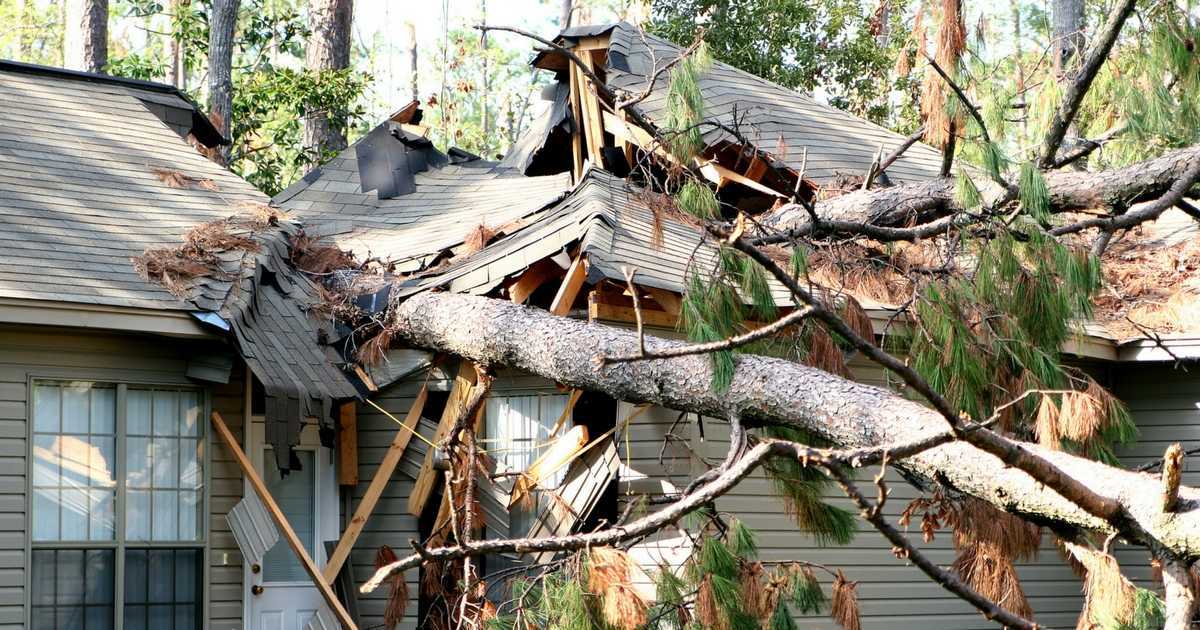
- Trees or limbs on the structure: stay out of rooms beneath them; they can shift.
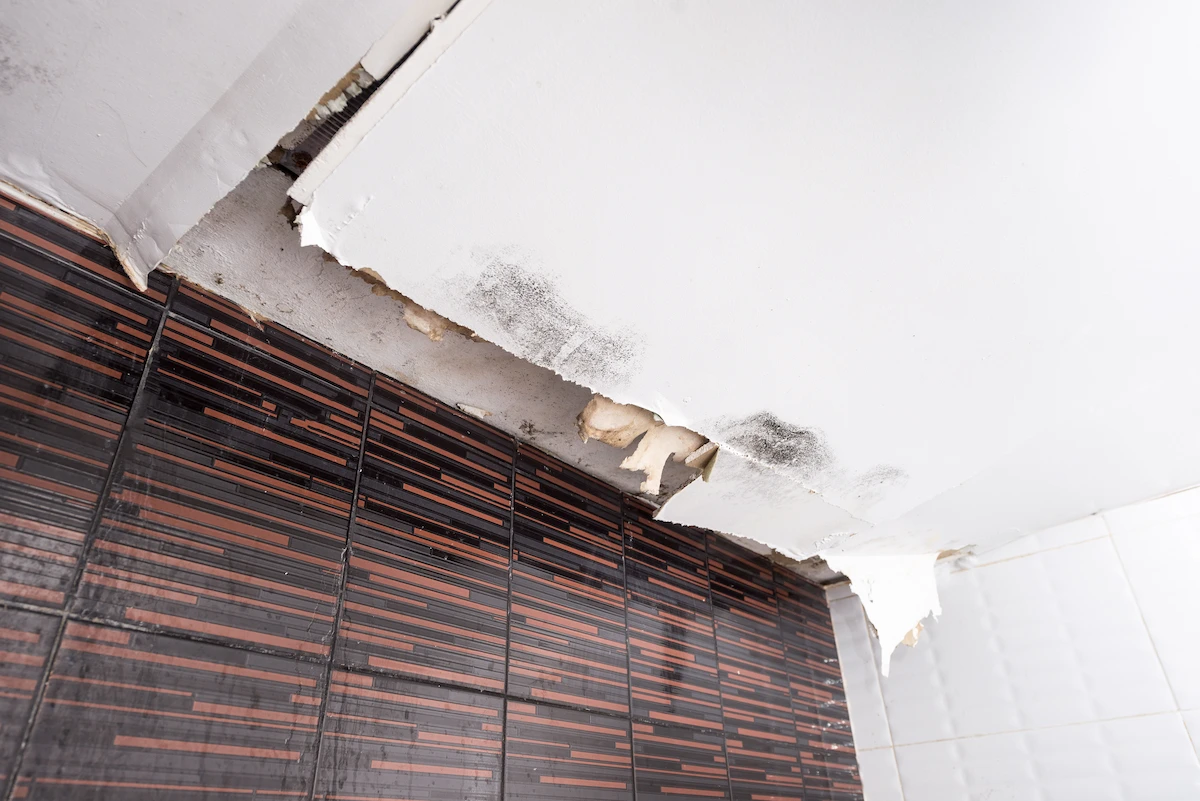
- Ceilings that sag or drip: keep people out from underneath.
- Standing water near electrical equipment: do not enter.
Temporary Protection
Temporary protection keeps rain, wind and intruders out until permanent repairs can be made. Common measures include:
- Roof tarps over damaged shingles, punctures or missing sections
- Plywood over broken windows, sliding doors and damaged entry doors
- Covering damaged vents, siding gaps and skylights
- Temporary fencing or barriers where debris creates a hazard
Working on a wet or damaged roof is dangerous, especially in wind. Roof tarping and board-up are best done by crews with the right equipment.
Inside the Building
- Move belongings away from leaks and out of rooms below roof damage.
- Place containers under drips and move rugs off wet floors.
- Turn off power to affected areas at the breaker if it can be reached safely from a dry location.
- Do not open bulging, water-filled ceilings yourself.
- Keep doors to damaged rooms closed to limit humidity in the rest of the home.
Document Before You Clean Up
Photograph and video the exterior from every side, each damaged area up close, and the inside rooms affected. Include the date and note the storm. Keep damaged items or photos of them until your insurer says otherwise, and save receipts for tarps, plywood, lodging or anything else you pay for.
Who to Call for What
- Electric or gas utility: downed lines, outages caused by damage, gas odors.
- Tree service: trees or large limbs on the house or blocking access.
- Your insurance company: to open a claim and ask about emergency repairs.
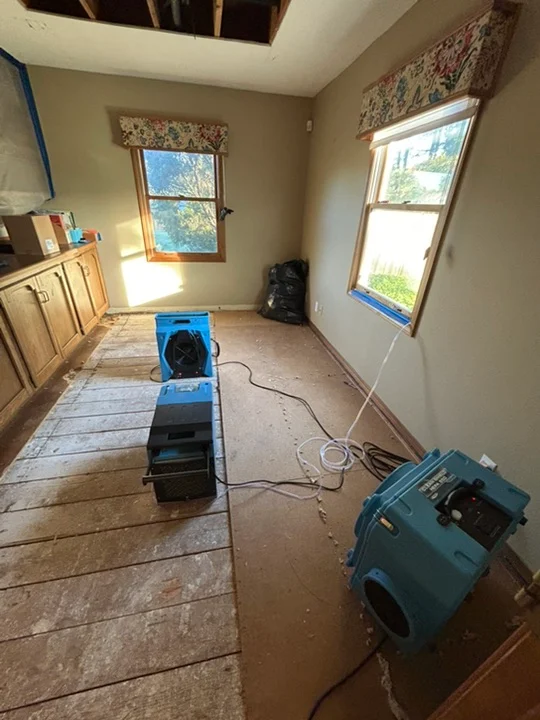
- A restoration company: tarping, board-up, water extraction and drying.
- Roofer, glazier or contractor: permanent repairs after the property is protected.
Storm Securing FAQs
Will insurance pay for emergency tarping?
Many policies expect owners to take reasonable steps to prevent further damage, and the cost of those steps is often part of the claim. Confirm with your insurer and keep every receipt.
How long can a tarp stay on a roof?
Tarps are a temporary measure. Plan permanent repairs as soon as practical, and check the tarp after each storm until then.
Should I wait for the adjuster before protecting the house?
Protecting the property from further damage usually should not wait. Document the damage first, then protect it, and let your insurer know what you did.
Related Services & Guides
Need a property secured after a storm? Call Northwest Restoration at (206) 707-4960.
Call Us Now (206) 707-4960