
We Serve All of Northwest WA
Water Damage Restoration in Lynnwood, WA
Fast, 24/7 water extraction, drying and restoration for homes and businesses in Lynnwood and across Snohomish County. Use the form below or call us today.
Call Us Now (206) 707-4960Water Damage Help in Lynnwood, Day or Night
Lynnwood combines apartments and condos around Alderwood with lower-level homes and commercial premises along Highway 99. A water loss may involve a resident, tenant and building manager, so identifying affected rooms and access permissions is an important first step.
Call (206) 707-4960 and tell us what you're seeing.
Call Us Now (206) 707-4960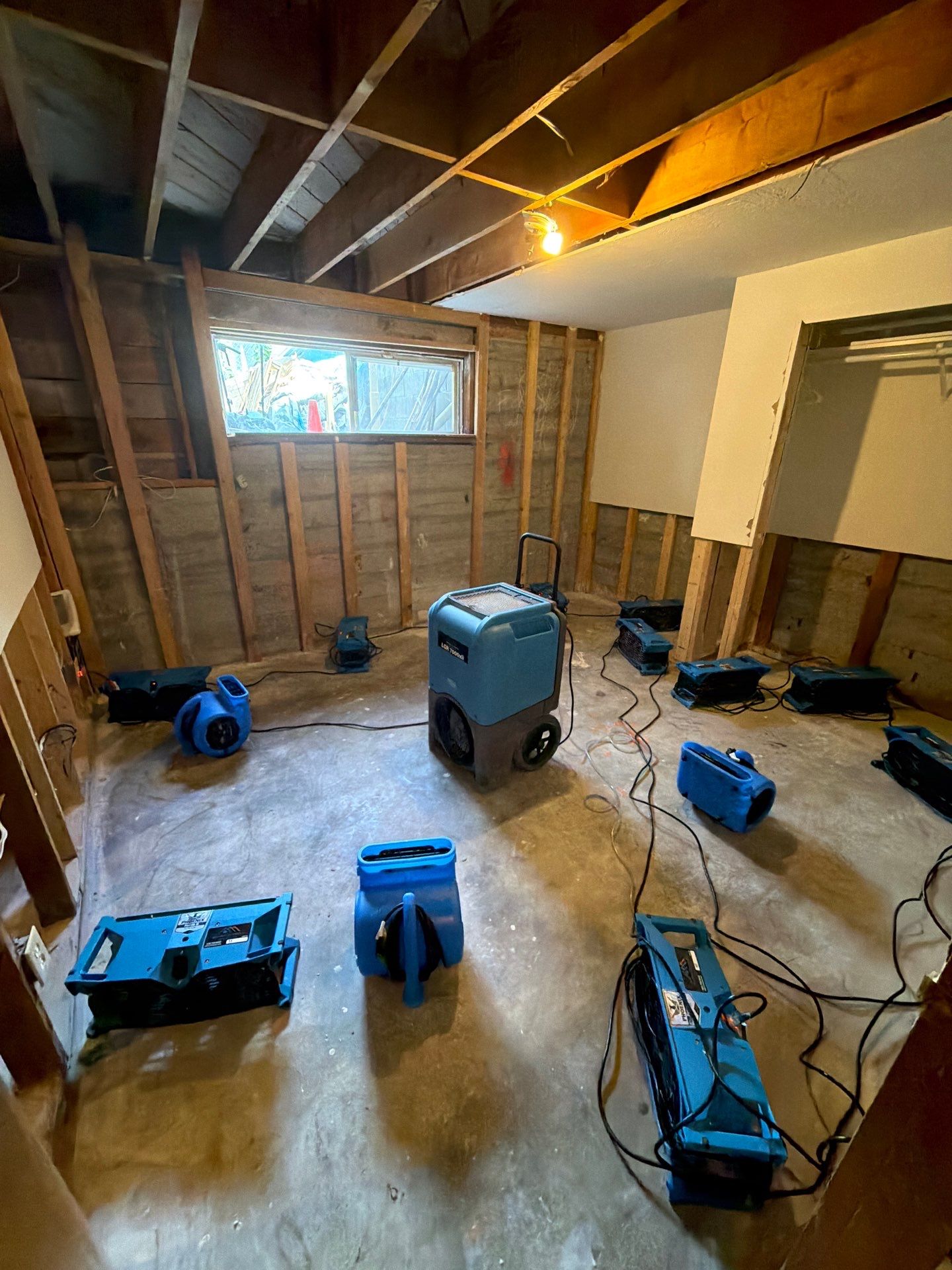
Alderwood Condos and Shared Building Access
In a condo or apartment around Alderwood or City Center, water can cross unit boundaries through a ceiling cavity or shared wall. The practical challenge is not simply placing a fan: the drying team needs access to the places the water reached and permission from the appropriate owners or manager.
Report the discovery time, the suspected source unit and any water near communal electrical equipment. An affected-unit list helps management coordinate visits and communicate with residents. Avoid removing a ceiling to look for the source yourself.
What Causes Water Damage in Lynnwood Properties
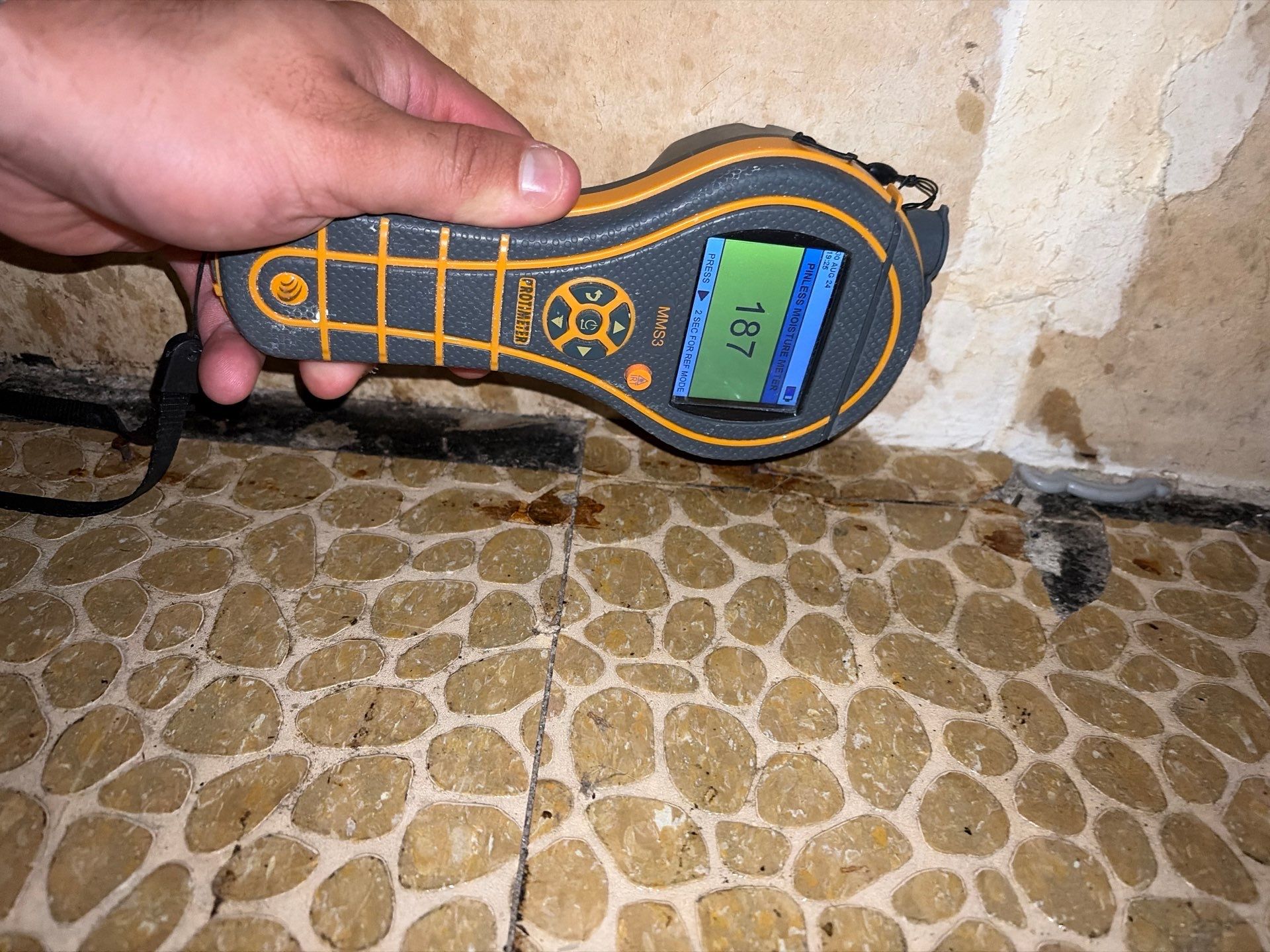
Lynnwood has seen a lot of new apartment and condo construction. In stacked units, a single leak can affect several floors, and drywall, insulation and flooring in the units below often need professional drying.
Older split level homes in neighborhoods around Scriber Creek and Meadowdale often have lower levels that collect water during long rainy spells. Proper drying of carpet pad, drywall and framing keeps mold from taking hold.
Neighborhoods we serve in and around Lynnwood:
- Alderwood
- City Center
- Meadowdale
- Scriber Creek
- Martha Lake
- Highway 99 corridor
- Cedar Valley
Lower-Level Rooms Around Meadowdale and Scriber Creek
A lower-level room with carpet may look dry soon after a small flood while the pad remains wet underneath. In a split-level home, adjoining closets, stair edges and exterior walls deserve attention because finishes can conceal moisture.
Separate a rainfall-related entry problem from a burst supply line when describing the loss. If water returns with the next rainy spell, the drainage or envelope issue needs its own plan. Restoration deals with the damage; it does not replace an investigation into why outside water keeps entering.
Retail and Office Cleanup Along Highway 99
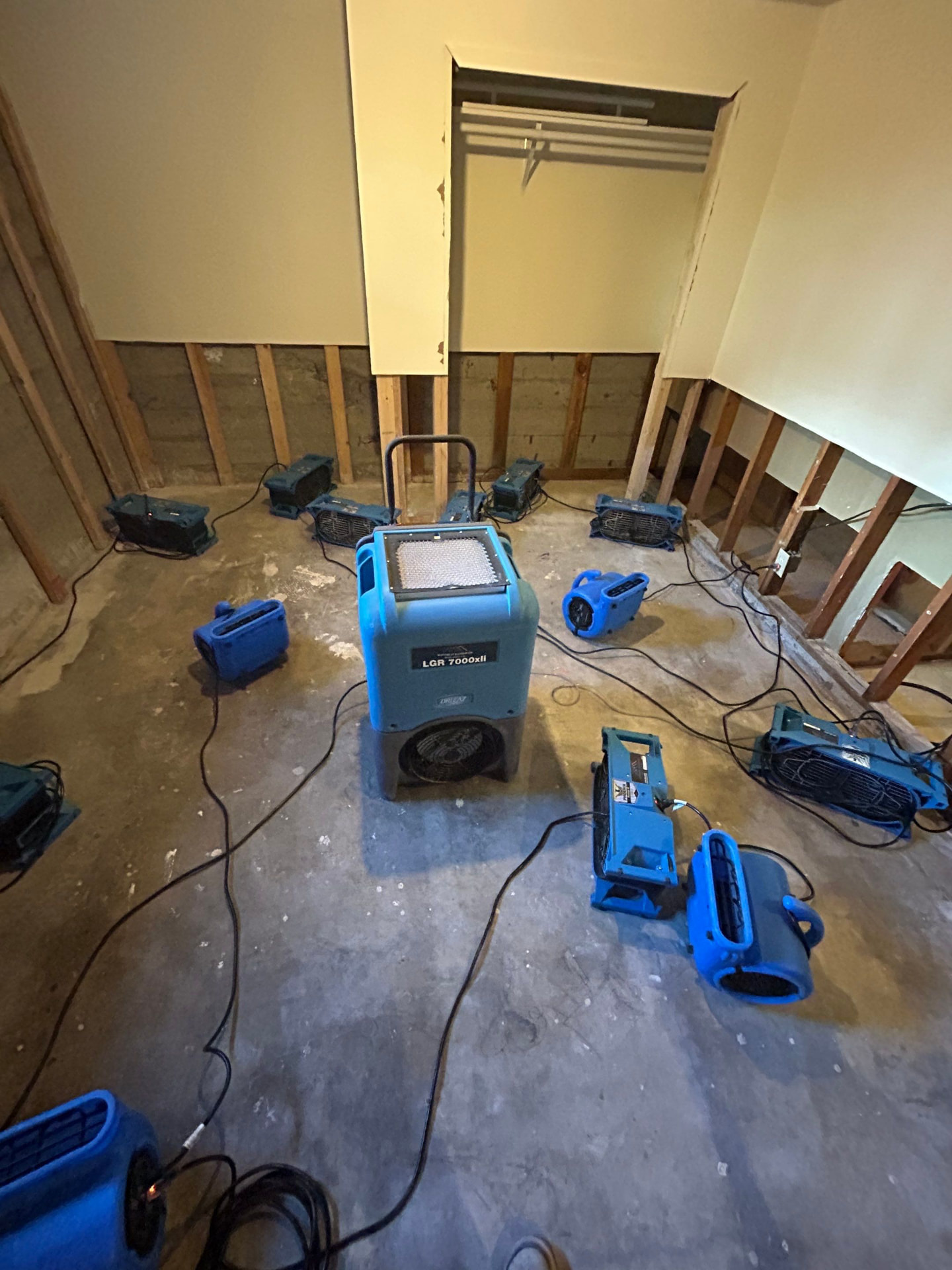
For a Lynnwood shop or office, identify customer routes, stock areas and tenant boundaries before deciding which parts can stay open. Wet ceiling tiles over a public aisle or water near powered equipment may require an area to be closed while the hazard is assessed.
Ask for a scope that distinguishes building finishes, business contents and any work outside normal trading hours. A landlord, tenant and insurer may each need different records. No drying schedule should be treated as permission to reopen an unsafe space.
Water Damage FAQ for Lynnwood, WA
Sometimes part of the damage can be assessed from below, but the source and full spread may require upstairs access. Ask management to coordinate the affected units rather than relying on one room's visible condition.