
We Serve All of Northwest WA
Water Damage Restoration in Granite Falls, WA
Fast, 24/7 water extraction, drying and restoration for homes and businesses in Granite Falls and across Snohomish County. Use the form below or call us today.
Call Us Now (206) 707-4960Water Damage Help in Granite Falls, Day or Night
Granite Falls and nearby foothill properties include homes with crawlspaces and detached outbuildings. Cold-weather leaks, rain entry and rural access each need to be described separately when arranging a water-damage assessment.
Call (206) 707-4960 and tell us what you're seeing.
Call Us Now (206) 707-4960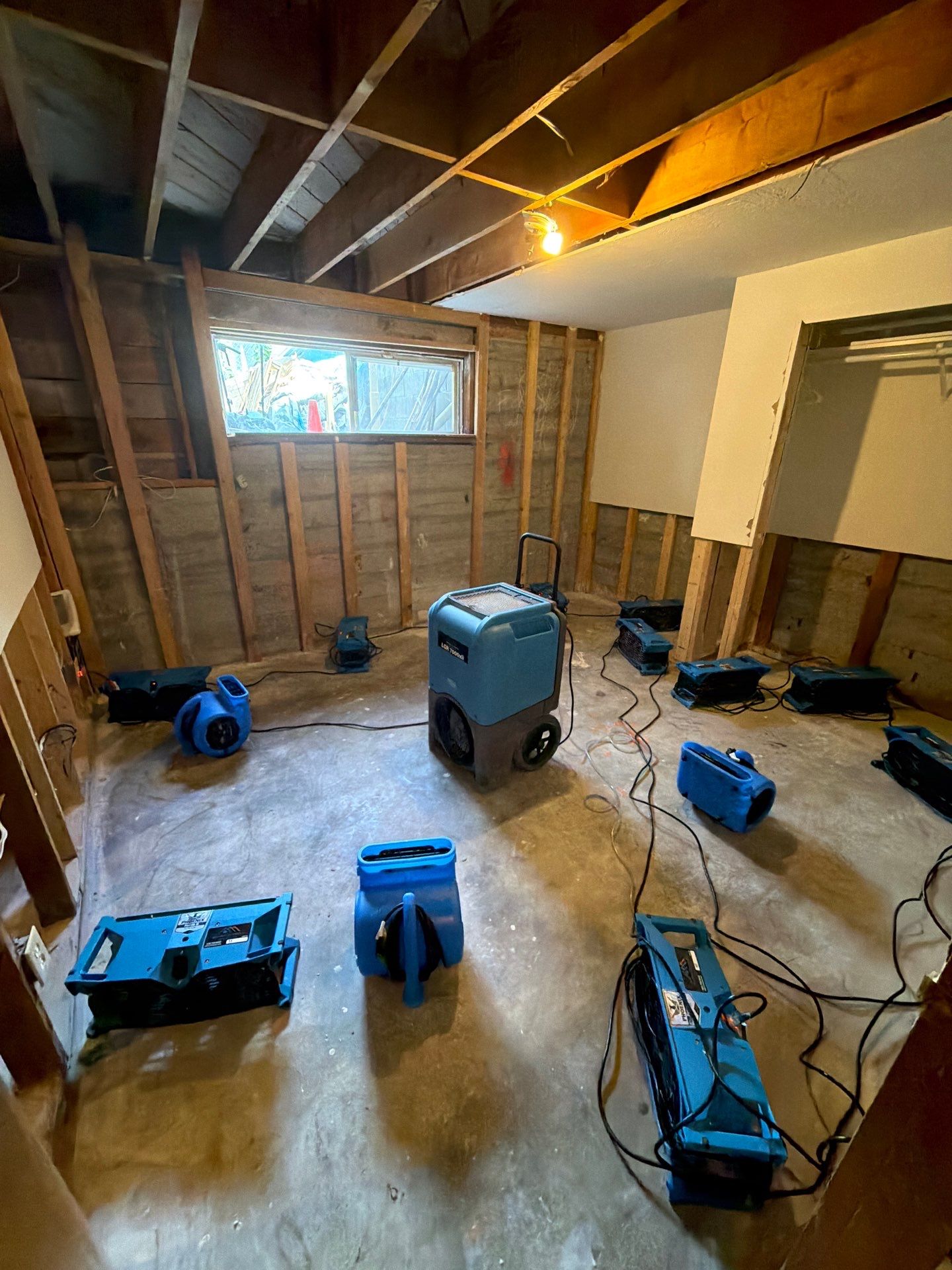
Cold-Weather Leaks in Foothill Properties
A Granite Falls loss discovered after a cold night may start with an exposed supply line, but weather alone does not identify the broken connection. Tell the team what you know about the shutoff and which part of the building is wet; have a plumber assess the suspected pipe.
A ceiling stain after snow or rain may involve a roof opening rather than plumbing. Avoid climbing onto the roof or using an open flame near frozen piping. Safe source information helps organize the interior assessment without creating another hazard.
Water Damage Challenges in Granite Falls
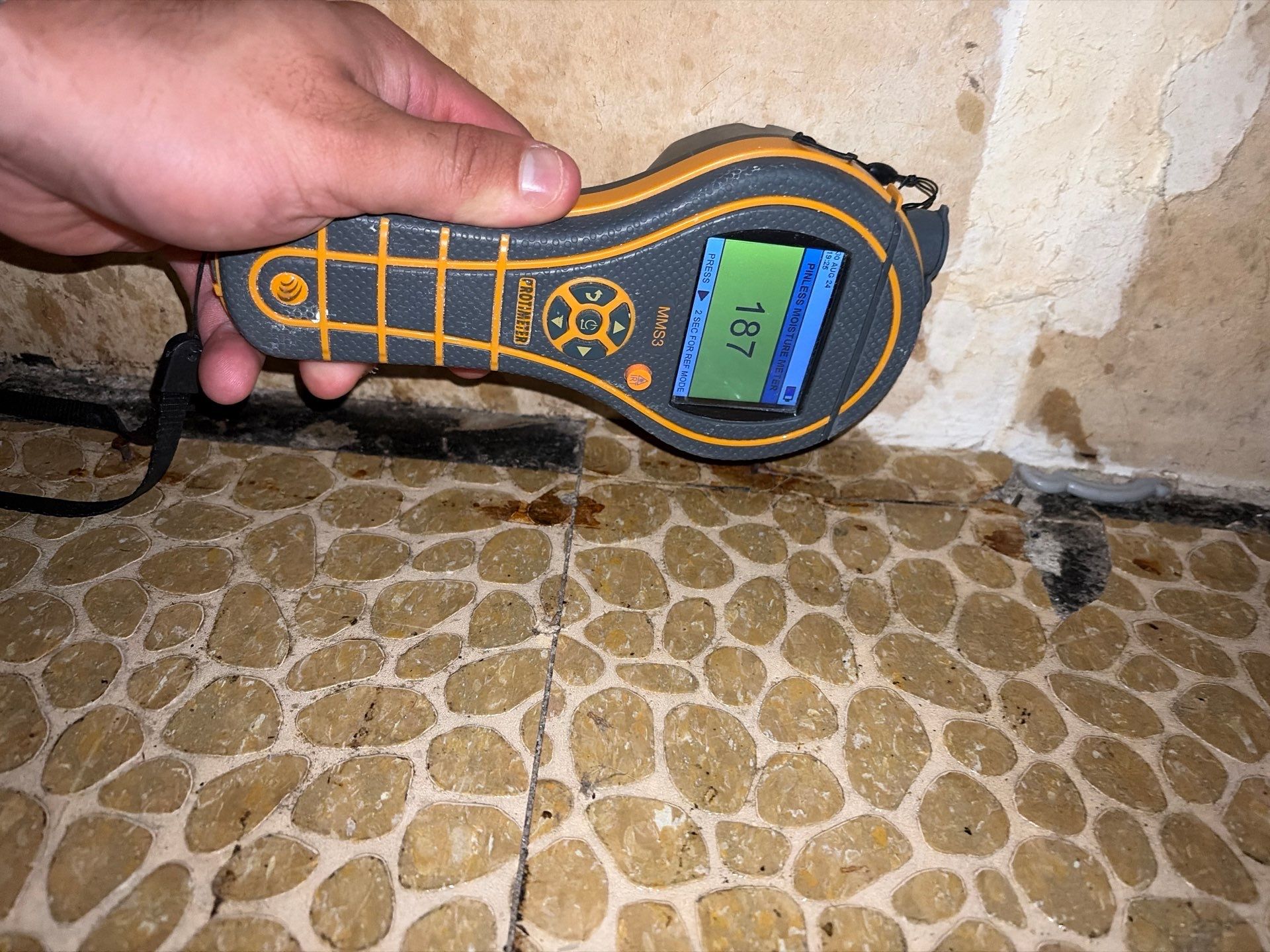
The foothills get more rain and colder winter nights than the towns closer to the Sound. Frozen pipes, ice dams and heavy runoff are common causes of water damage here, especially in homes with long plumbing runs or exposed lines.
Many properties along the Pilchuck River and the Mountain Loop Highway have crawlspaces, wells and outbuildings. We extract water, dry crawlspaces and check insulation and framing so trapped moisture does not lead to mold.
Neighborhoods we serve in and around Granite Falls:
- Downtown Granite Falls
- Robe Valley
- Lake Roesiger area
- Pilchuck River area
- Mountain Loop Highway
- Jordan Road
Rural Access and Detached Structures
For a property along the Mountain Loop Highway or outside town, include the driveway entrance, gate arrangements and the location of the affected building. A detached workshop or crawlspace hatch can be difficult to identify from the postal address alone.
Report any known road or tree obstruction without approaching it. Availability and safe access affect when a visit can occur. A home, shop and outbuilding should each be described rather than combined into one vague report of flooding.
Wet Framing Beneath the Floor
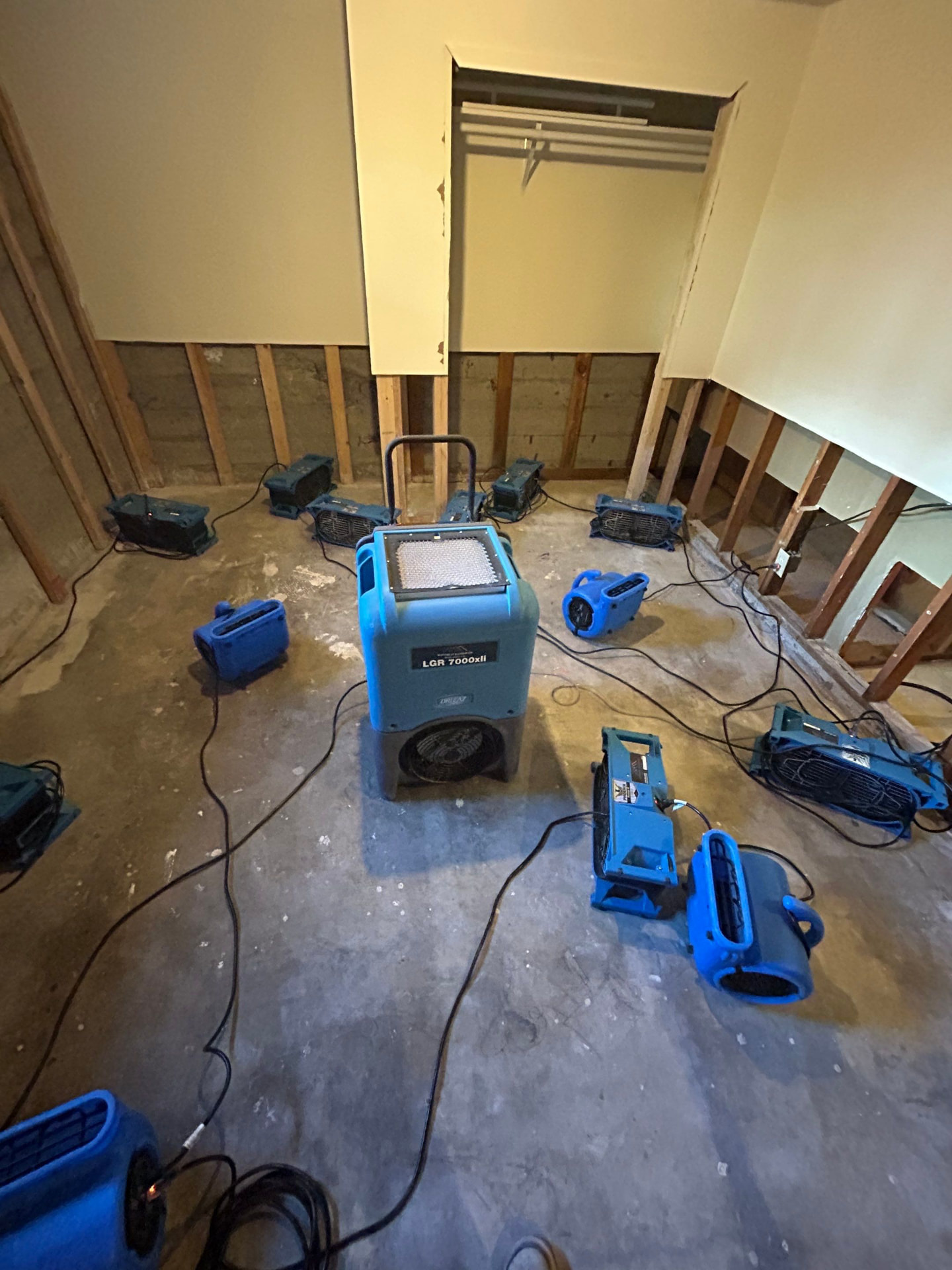
In a home with a crawlspace, standing water is only one part of the loss. Insulation and the underside of flooring may hold moisture after the visible water is removed. The assessment should consider accessible framing and the condition of materials in contact with it.
If rainwater or drainage keeps entering, source correction needs a separate plan alongside drying. Ask what evidence will show that the assembly is ready for repairs. A musty smell or a dry-looking hatch is not a substitute for checking affected materials.
Water Damage FAQ for Granite Falls, WA
Give the full address, driveway entrance, gate details and the affected structure. Mention known access restrictions from a safe location; do not approach damaged trees or blocked roads to investigate.