
We Serve All of Northwest WA
Water Damage Restoration in Mill Creek, WA
Fast, 24/7 water extraction, drying and restoration for homes and businesses in Mill Creek and across Snohomish County. Use the form below or call us today.
Call Us Now (206) 707-4960Water Damage Help in Mill Creek, Day or Night
Mill Creek is largely planned neighborhoods, townhomes and the shops around Mill Creek Town Center. Many homes share similar layouts, but each water loss still depends on where the source is and which finished rooms and floor layers the water reached.
Call (206) 707-4960 and tell us what you're seeing.
Call Us Now (206) 707-4960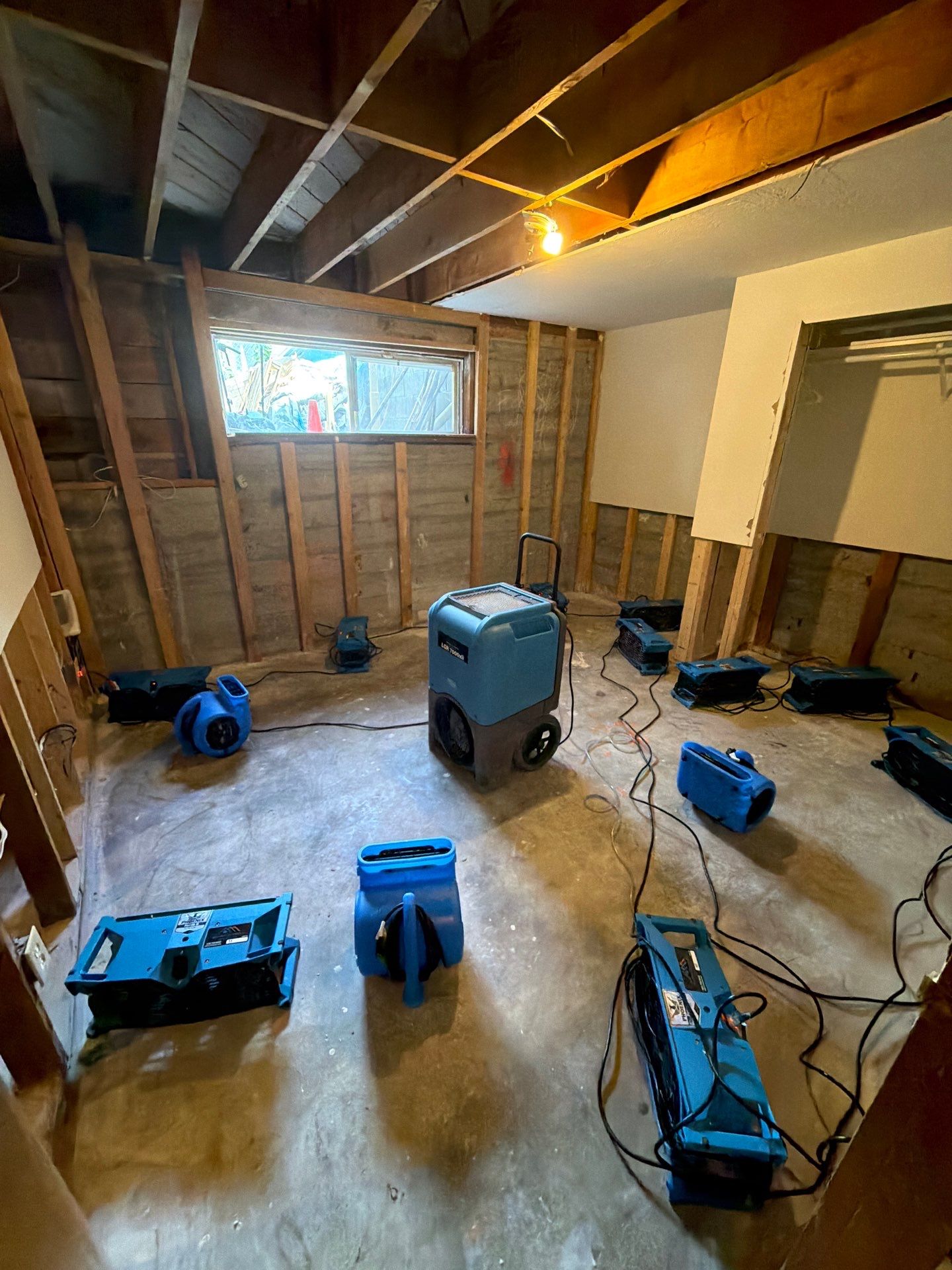
Upstairs Laundry and Bathroom Leaks in Mill Creek Homes
Many two-story Mill Creek homes have laundry rooms and bathrooms above living space. When a washer hose or toilet supply line fails, water can travel along joists and appear in a ceiling some distance from the source. The first stain you see is a clue, not the full extent of what got wet.
Shut off the fixture or the main valve if you can do so safely, then note which rooms sit below the leak. Tell the assessor about the flooring and cabinets on both floors, since water often runs beneath a continuous floor or behind a vanity before it shows.
Common Water Damage Sources in Mill Creek Homes
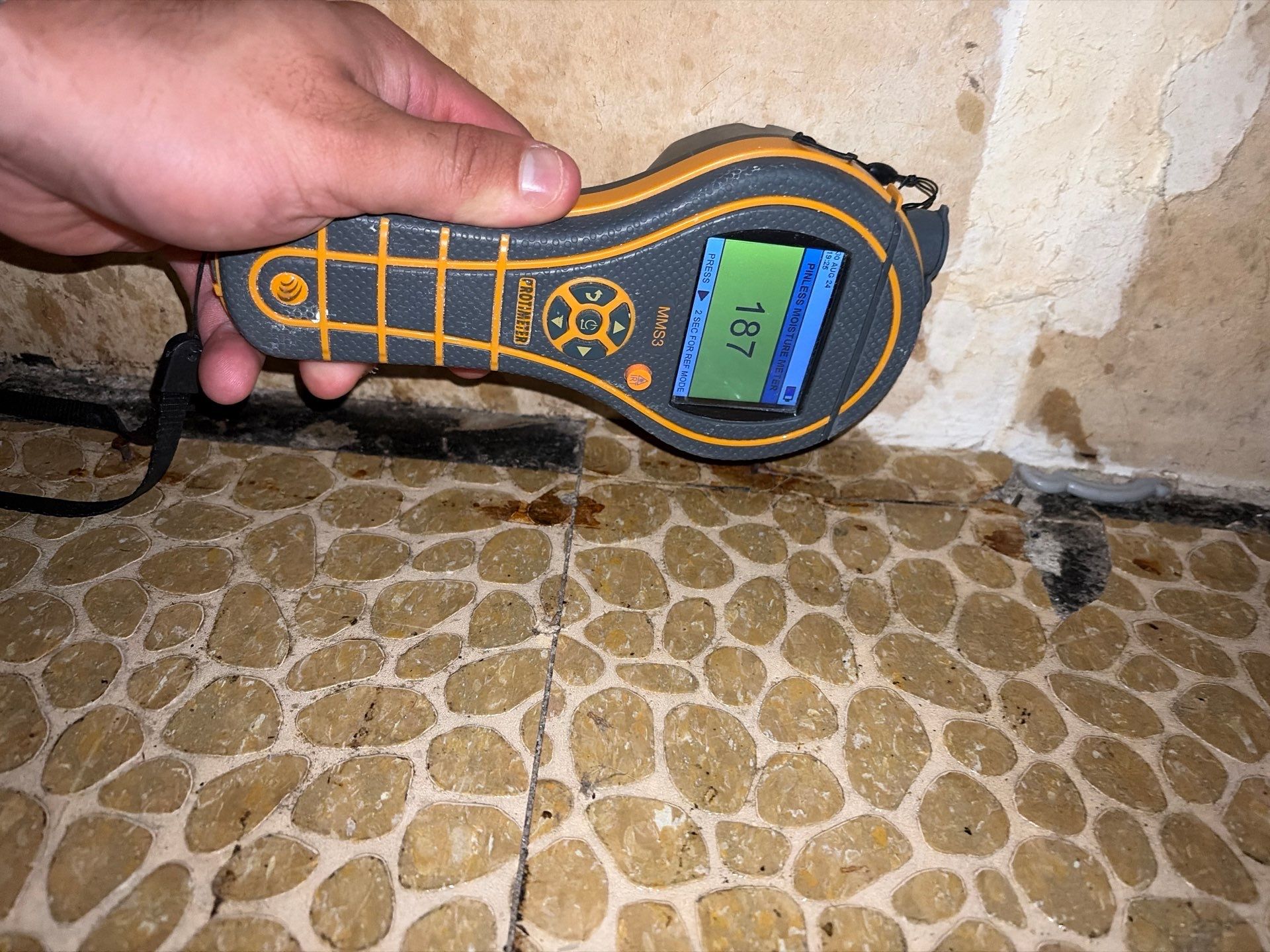
Much of Mill Creek was built in the 1980s, 1990s and 2000s, so water heaters, supply lines, toilet connections and washing machine hoses have now been in service for years. A slow leak behind a vanity or under an upstairs laundry can soak a ceiling below before anyone notices.
North Creek and Penny Creek wind through the city, and long wet seasons keep soil saturated in low spots. Garages, crawlspaces and lower-level rooms near greenbelts can take on water when gutters and drains cannot keep up.
Neighborhoods we serve in and around Mill Creek:
- Mill Creek Town Center
- Mill Creek Country Club area
- Mill Creek East
- Thomas Lake
- Penny Creek
- North Creek
- Silver Firs
- Bothell-Everett Highway corridor
Townhomes and HOA Coordination
In a Mill Creek townhome or condo, a leak can cross a shared wall into a neighbor's unit. The homeowners association, each owner and possibly more than one insurer may have a say in what happens next. Report the loss to the HOA early so access to every affected unit can be arranged.
Ask for a moisture map that shows each unit and common area involved. Keeping records separated by unit helps each owner and insurer see what belongs to them, and it prevents a neighbor's wet wall from being missed while your unit is dried.
Garages and Lower Levels Near the Greenbelts
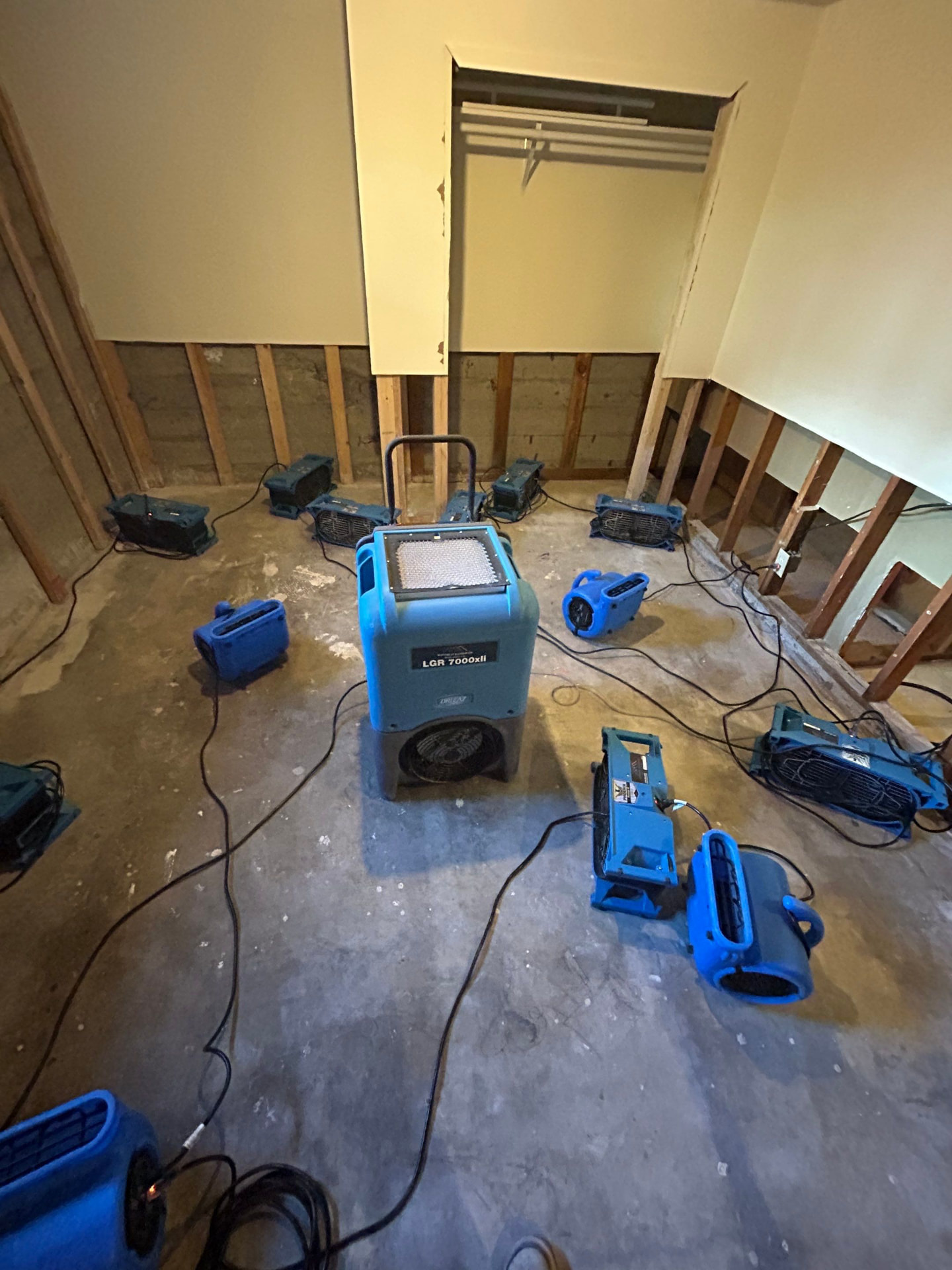
Homes backing onto North Creek or Penny Creek greenbelts may see water collect along the low side of the lot during long rains. A damp garage slab or a musty lower room after a storm points to outside water rather than plumbing, and that changes what needs fixing.
Drying the building does not correct grading, gutters or drainage. If water keeps returning after heavy rain, plan for a drainage or gutter contractor to look at the source while the restoration work deals with the wet materials inside.
Water Damage FAQ for Mill Creek, WA
Water from a supply line or drain can run along framing and drip through a ceiling well away from the fixture. The source may be inside the wall or under the floor, so the assessment should check the cavity, not just the visible surfaces.