Basements flood differently from the rest of the house. Water collects at the lowest point, the furnace, water heater and electrical panel are often down there, and the source can be outside the home entirely. This guide is organized by time, so you can find what matters right now.
The First Few Minutes
- From the stairs, look at where the water is coming from: walls, floor drain, a fixture or a pipe.
- If it is a supply pipe or appliance and the main shut-off can be reached without wading near electricity, turn the water off.
- If you smell gas, leave the house and call your gas utility from outside.
- Get children and pets upstairs.
The First Hour
Once the area is safe, figure out which kind of basement flood you have. It changes what happens next:
- Supply line or appliance failure: usually clean water that stops when the water is turned off.
- Groundwater or surface runoff: seeps through walls or the floor during heavy rain and keeps coming until conditions change.
- Floor drain or sewer backup: water rising out of the drain, often with odor; treat it as contaminated.
- Sump pump failure: water collecting around the pit, often during a storm or power outage.
Then photograph the water, the source and everything it has touched, before you move anything. Wide shots and close-ups both help.
The First Day
- Call your insurance company to report the loss and ask about coverage for the type of water involved.
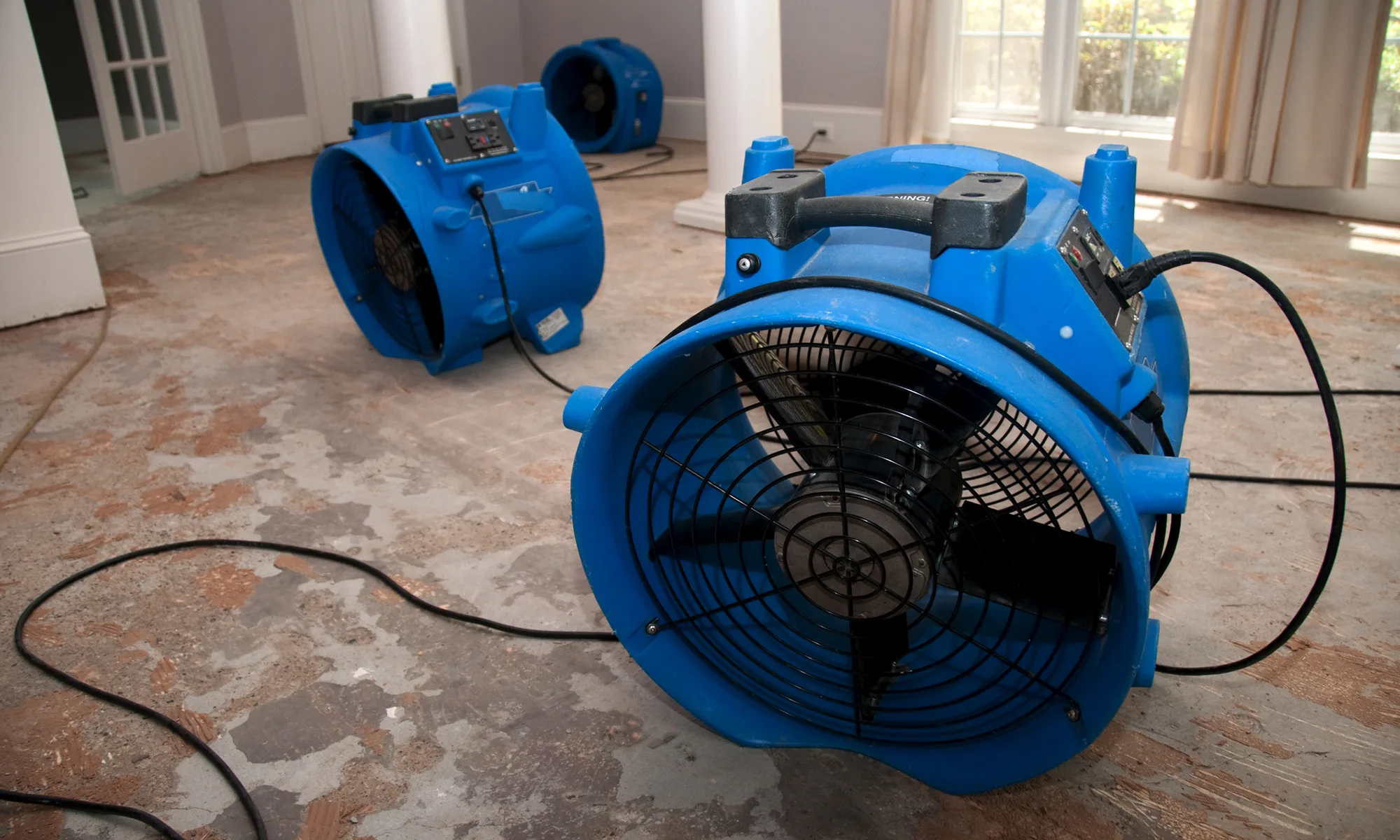
- Arrange professional extraction and drying, especially if water reached finished walls, carpet or stored belongings.
- Move salvageable items to a dry area; set aside wet cardboard, which loses strength quickly.
- Keep basement doors closed and avoid running the furnace if it was in contact with water until it has been checked.
- Keep receipts for anything you buy or pay for because of the flood.
Basement-Specific Problems to Watch For
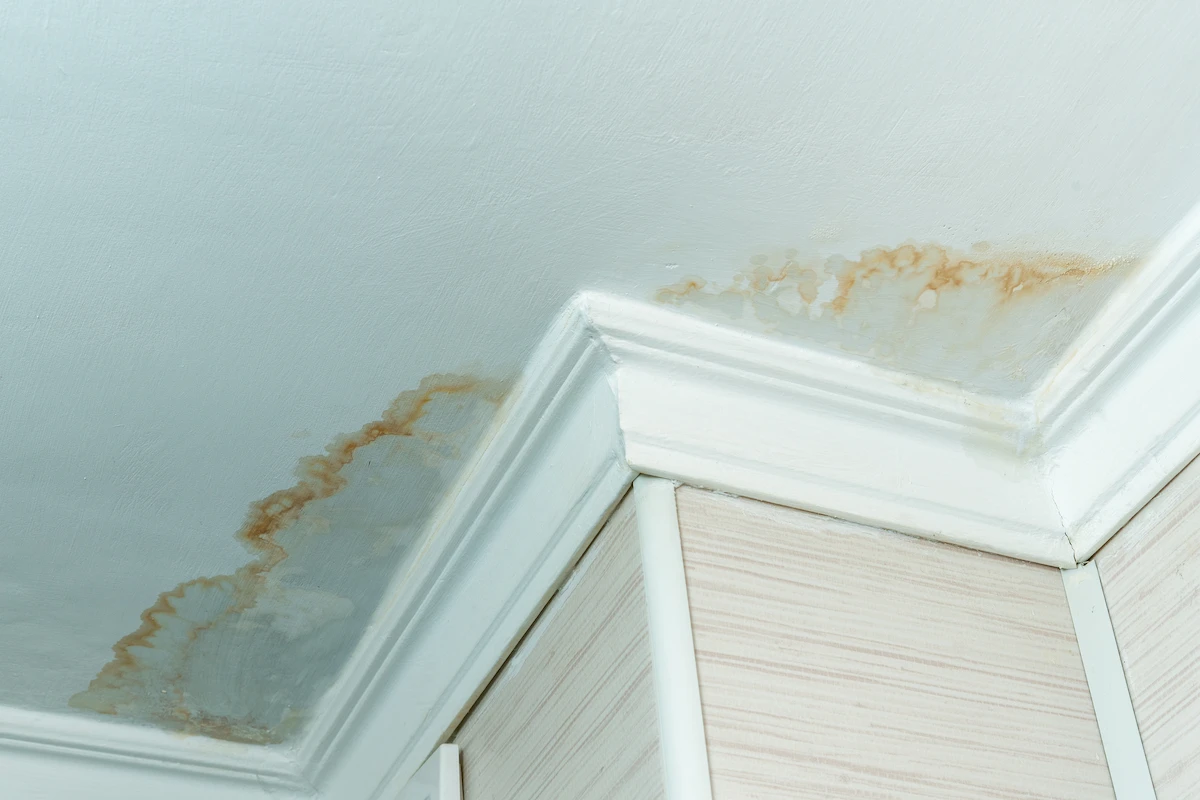
- Finished walls: water wicks up drywall and into insulation behind it, often higher than the waterline.
- Carpet on concrete: the pad and the slab beneath hold moisture long after the carpet surface feels dry.
- Mechanical equipment: furnaces, water heaters and electrical components that were submerged need evaluation before use.
- Stored belongings: boxes on the floor wick water and can hide moisture against walls.
Why Northwest Washington Basements Flood
Long, saturating rain seasons, high winter water tables in low-lying areas, clogged gutters and downspouts that discharge too close to the foundation all push water toward basements here. Knowing your cause matters for prevention later; restoration dries the space, while drainage or waterproofing work addresses why the water came in.
Quick Answers
Should I pump out the basement myself?
Small amounts of clean water can sometimes be removed with a wet vacuum once the area is electrically safe. Deep water, sewage or water near electrical equipment should be left to professionals.
Is basement flooding covered by insurance?
It depends on your policy and the source. Sudden pipe failures, sewer backups and surface flooding are often treated differently, and some require separate endorsements or flood coverage.
How do I keep it from happening again?
Start with the cause: gutters and downspout extensions, grading, a backup power source for the sump pump, or a backwater valve for sewer backups. A drainage or waterproofing contractor can advise on structural fixes.
Related Services & Guides
Basement flooding right now? Call Northwest Restoration at (206) 707-4960.
Call Us Now (206) 707-4960