

The question of when water damage becomes a health risk depends on whether moisture remains unresolved, contaminated water is involved, or damp materials create conditions where mold and other microorganisms may develop. Water damage does not automatically create a health hazard. The level of concern depends on the water source, how long materials stay wet, what materials are affected, ventilation, indoor conditions, and whether contamination or microbial growth is present.
At Northwest Restoration, we provide professional water damage restoration in Marysville, WA, for residential and commercial properties. We identify affected areas, remove unwanted water, dry moisture-damaged materials, and develop a restoration plan based on the condition of the property. If mold is discovered during restoration, we also provide mold remediation services.
What Determines When Water Damage Becomes a Health Risk?
A small leak that is stopped and dried quickly is different from moisture that remains behind a wall, beneath flooring, or inside insulation. Concerns generally increase when materials remain damp, the water source may contain contaminants, or mold begins growing.
Duration matters because materials can stay wet even after visible water is gone. Porous materials can hold moisture internally, which means a surface may appear dry while dampness remains deeper in the material or surrounding area.
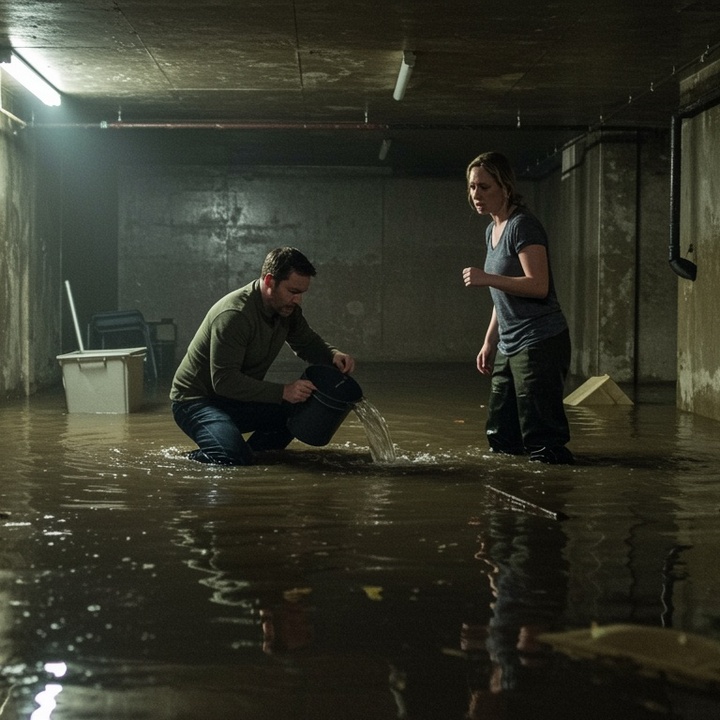
The water source matters too. A supply-line leak and contaminated floodwater do not present the same cleanup concerns. Sewage backups, exterior flooding, and other potentially contaminated water require greater caution because they may contain germs, chemicals, or other hazards.
How Moisture Creates Conditions for Mold Growth
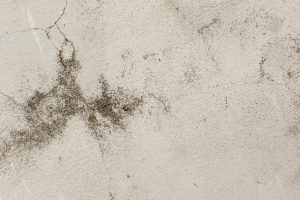
Mold needs moisture to grow. Mold spores are naturally present indoors and outdoors, and when they land on suitable damp materials, growth may occur. This does not mean every leak will cause mold. It means unresolved moisture can create conditions that make mold growth more likely.
The U.S. Environmental Protection Agency advises drying wet or damp materials within about 24 to 48 hours when possible. That guidance supports prompt moisture control, but it should not be treated as a guarantee that mold will always appear after a particular number of hours.
Some people may be sensitive to damp or moldy environments. Mold exposure can be associated with allergic or irritant effects, and people with asthma or mold allergies may be more susceptible to respiratory reactions. Anyone concerned about personal symptoms or health effects should speak with a qualified healthcare professional.
Hidden Areas Where Water Damage Can Develop
Water can travel beyond the area that is easy to see. A stain, damp floor, or wet cabinet may be only one visible part of a larger moisture path.
Hidden moisture may develop:
- Behind walls after plumbing or roof leaks
- Beneath flooring after appliance failures or overflows
- Inside insulation after water enters ceilings or wall cavities
- Around cabinets, fixtures, windows, or doors
- In crawlspaces or other enclosed areas where drying may be slower
These conditions do not automatically mean mold or serious contamination is present. They do mean the moisture source should be identified and affected materials evaluated before cosmetic repairs are made.
Signs a Water-Damaged Area May Need Further Evaluation
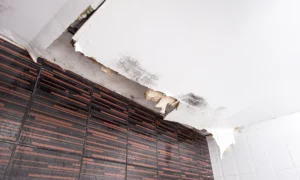
Possible warning signs include persistent dampness, new staining, peeling finishes, swelling or warping, musty odors, or visible mold growth. A musty odor alone does not confirm mold, and a stain does not prove active moisture is still present.
If the original leak has been fixed but materials remain damp, continue changing, or develop persistent odors, further evaluation may help determine whether hidden moisture remains.
Why Water Removal and Drying Are Different
Removing standing water is only one part of water damage restoration. Moisture can remain inside porous materials and concealed spaces after visible water is extracted, so drying must address the materials and areas affected by moisture.
Northwest Restoration provides water removal and extraction along with drying and dehumidification in Marysville. We also evaluate surrounding materials for moisture that may not be immediately visible. The goal is to remove unwanted water, reduce remaining moisture, and identify any additional restoration needs.
Stopping the source of the water is a separate step. Depending on the cause, a plumber, roofer, appliance professional, utility provider, or another qualified trade may be needed to correct the source.
Contaminated Water and Electrical Hazards Need Extra Caution
Not every water loss involves contamination. However, floodwater and sewage-related water should be treated differently from a clean-water leak because they may contain germs, chemicals, debris, or other hazards.
Avoid direct contact with potentially contaminated water and keep children and pets away from affected areas. Do not assume household cleaning products alone are enough to address contaminated porous materials. Cleanup requirements depend on the source of the water and what materials have been affected.
Electrical safety is also important when water is near outlets, appliances, wiring, or electrical panels. Never stand in water to turn electrical power on or off. If reaching the main breaker requires entering standing water, contact a qualified electrician or appropriate emergency professional.
When Professional Water Damage Restoration May Be Needed
Professional evaluation may be appropriate when standing water is present, water has spread into multiple materials, contamination is possible, moisture is hidden, mold is visible, or the property cannot be dried effectively with ordinary household measures.
A restoration assessment can help determine:
- How far the water has traveled
- Which building materials are affected
- Whether moisture remains behind finished surfaces
- Whether the water source creates contamination concerns
- Whether mold remediation may be needed
- What areas need drying, cleaning, removal, or repair
At Northwest Restoration, we help Marysville homeowners and businesses assess affected areas, remove unwanted water, dry moisture-damaged materials, and determine the next restoration steps. Every water loss is different, so the restoration scope should reflect the actual conditions at the property rather than a one-size-fits-all approach.
Water Damage Considerations for Marysville Properties
Marysville properties may experience water intrusion from plumbing failures, appliance leaks, roof leaks, heavy rain, flooding, or persistent condensation. Rainy conditions can contribute to moisture intrusion when a property already has a vulnerable opening or drainage issue, but weather alone does not mean a building will develop water damage or mold.
What matters is how water entered, where it traveled, how long materials stayed wet, and whether affected areas can dry adequately. Prompt attention can make it easier to identify the moisture source and limit additional damage before repairs or refinishing begin.
Frequently Asked Questions
Can water damage make people sick?
Water damage does not mean someone will become sick. Concerns can increase when a building stays damp, mold develops, or the water contains contaminants. Some people may be sensitive to damp or moldy environments. Personal health concerns should be discussed with a qualified healthcare professional.
Does every water leak lead to mold?
No. Mold growth depends on moisture, time, affected materials, ventilation, and other indoor conditions. Addressing the water source and drying affected materials promptly can reduce the conditions that support mold growth.
How can I tell if water is trapped behind a wall or floor?
Possible signs include persistent dampness, staining, swelling, warping, peeling finishes, or musty odors, but none of these signs alone confirms hidden moisture. Further evaluation may be needed when the visible area does not explain the full extent of the damage.
Is floodwater more concerning than a normal household leak?
It can be. Floodwater may contain sewage, chemicals, germs, debris, or other contaminants. Avoid direct contact with potentially contaminated water and seek appropriate professional evaluation before cleanup.
Does Northwest Restoration provide water damage restoration in Marysville, WA?
Yes. We provide professional water damage restoration for residential and commercial properties in Marysville, including water removal and extraction, drying and dehumidification, evaluation of affected materials, and mold remediation when mold is discovered.
Contact Northwest Restoration for Water Damage Help in Marysville
If you are concerned about when water damage becomes a health risk because moisture is spreading, materials are staying damp, contamination may be involved, or you are unsure how far the water has traveled, it is important to understand the actual conditions inside the property.
Northwest Restoration provides water damage restoration in Marysville, WA, including water extraction, drying and dehumidification, and mold remediation when needed. Contact our team to discuss the water damage, identify affected areas, and determine the appropriate restoration steps for your property.