


Fire damage cleanup typically involves assessing the affected property, addressing immediate safety concerns, removing debris, cleaning smoke and soot residue, managing water damage, and completing necessary restoration work. The exact process depends on the severity of the fire, the materials affected, and whether structural repairs are required. Understanding what to expect during fire damage cleanup helps property owners prepare for each stage of recovery and make informed decisions about their building.
At Northwest Restoration, we provide professional fire damage restoration services for homes and businesses in Marysville, Washington. Our work includes damage assessment, fire-related cleanup, smoke and soot removal, odor control, and restoration of affected building materials. We focus on developing a practical recovery plan based on the property’s condition and the work required.
What Happens Immediately After a Property Fire?
Before restoration begins, the property must be safe for authorized personnel to enter. A building affected by fire may contain unstable materials, damaged electrical systems, exposed wiring, weakened flooring, or hazardous residues.
Property owners should not enter a fire-damaged building until the fire department or appropriate authorities confirm that entry is permitted.
Even after access is authorized, some areas may remain unsafe and require further professional evaluation. Electrical and gas services should not be restarted without clearance from the appropriate qualified professionals.
During the initial recovery period, property owners can begin organizing relevant information, including fire incident details, photographs taken from safe locations, and available insurance documents.
Avoid moving heavily damaged materials or attempting extensive cleaning before the property has been appropriately assessed.
What Does a Fire Damage Assessment Include?
A post-fire property assessment helps determine the scope of cleanup and restoration. Damage is not always limited to the room where the fire originated.
Smoke can travel through openings and connected spaces, while firefighting activities may introduce water into surrounding areas.
A comprehensive assessment may consider:
- Burned or heat-damaged building materials
- Smoke and soot deposits on interior surfaces
- Water damage caused by firefighting activities
- Damaged walls, ceilings, flooring, and structural components
- Fire-related odors and affected porous materials
- Furniture, fixtures, equipment, and other impacted belongings
- Areas requiring further safety or building-system evaluation
At Northwest Restoration, we assess and document affected areas before establishing the scope of restoration work.
This process helps determine which materials may be suitable for cleaning, which require removal, and what repairs may be necessary.
Understanding the Fire Damage Cleanup Process
The fire damage cleanup process generally follows several connected stages. However, the order and extent of work may change depending on building safety, the type of damage, and project requirements.
Step 1: Initial Inspection and Restoration Planning
The restoration process begins with evaluating the damage and identifying immediate priorities. Our team assesses affected areas, documents the property’s condition, and develops a restoration plan based on the work required.
A localized kitchen fire may involve substantial smoke residue despite limited structural damage. A more extensive fire may require additional material removal, repairs, and reconstruction.
Recognizing these differences helps establish a realistic scope of work.
Step 2: Securing Exposed or Damaged Areas
Fires can leave broken windows, damaged doors, compromised roofing, or other openings that expose a property to weather and unauthorized access.
When necessary, our team takes steps to secure affected areas while restoration work is planned and completed.
This stage helps reduce the potential for additional property damage. However, access restrictions and structural safety concerns must still be respected throughout the project.
Step 3: Removing Debris and Cleaning Smoke Residue
Once appropriate safety conditions have been established, cleanup may involve removing fire-damaged debris and addressing soot, ash, and smoke residue.
Soot is a fine residue produced during combustion. Depending on the materials burned and the fire conditions, it may settle on surfaces beyond the visibly burned area.
At Northwest Restoration, we provide professional smoke and soot cleanup as part of our fire damage restoration services in Marysville.
Cleaning requirements depend on the surface material, contamination level, and condition of the affected area. Some materials may respond to appropriate cleaning, while others require removal or replacement.
Step 4: Addressing Water Damage From Firefighting
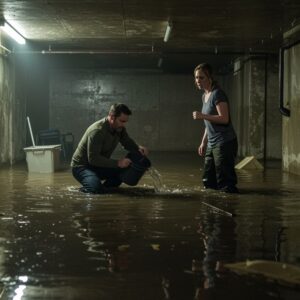
Fire damage restoration may also involve water removal and drying. Water used to suppress flames can affect flooring, insulation, drywall, and surrounding building materials.
Even after visible water has been removed, moisture may remain inside porous materials or concealed spaces.
Our team provides water damage restoration services, including water extraction, drying, and dehumidification when needed.
Addressing fire-related water damage helps reduce further material deterioration and moisture conditions that could support mold growth.
Step 5: Evaluating Smoke Odors and Affected Belongings
Smoke odors may remain after visible debris has been cleared. Residue can affect porous materials and surfaces throughout a property.
Our fire restoration services include professional odor-control and cleaning methods selected for the affected areas.
Furniture, textiles, documents, inventory, and other belongings may also require evaluation. Whether an item can be restored depends on its material, degree of exposure, and the damage sustained.
Not every fire-damaged item can be recovered, and odor treatment does not guarantee complete odor removal in every situation.
Step 6: Completing Repairs and Final Review
Some restoration projects require more than cleaning. Fire-damaged drywall, flooring, framing, roofing, and other materials may need repair or reconstruction.
Northwest Restoration provides structural repair and reconstruction services as part of its fire damage restoration offering.
After the planned restoration work is completed, we conduct a final review of the affected areas and discuss the completed work with the property owner.
The objective is to address the identified damage and help return the property to an appropriate, functional condition.
Why Smoke and Soot Cleanup Requires Careful Attention
Smoke damage can vary significantly between properties. A fire involving cooking materials may leave different residues from one involving synthetic furnishings or construction materials.
Heat, ventilation, moisture, and the materials burned can all influence where smoke deposits settle and how they affect surfaces.
For example, a room away from the fire may show no burn damage but still contain soot deposits or persistent smoke odors.
Cleaning only the visibly burned area may therefore leave other affected surfaces untreated.
Smoke odor control also requires a different approach from simply covering odors with fragrances or applying fresh paint. The affected materials and remaining residues should be evaluated before determining an appropriate cleaning or restoration method.
What Can Affect the Fire Damage Cleanup Timeline?
There is no single completion timeline that applies to every fire restoration project. A property’s size, level of damage, and required repairs all influence how the work progresses.
Important considerations include:
- Extent of fire damage: Widespread damage may require additional cleanup and repair work.
- Smoke migration: Residue affecting multiple rooms can increase cleaning requirements.
- Water saturation: Firefighting water may create additional drying needs.
- Structural condition: Unsafe or extensively damaged materials may require specialized assessment and repairs.
- Belongings and equipment: Different materials may need individual evaluation.
- Required approvals: Safety inspections, insurance decisions, and other necessary authorizations may influence scheduling.
Property owners should request a project-specific explanation of the anticipated restoration stages rather than relying on a universal completion estimate.
How Property Owners Can Prepare for Restoration
Although professional restoration teams handle the technical cleanup work, property owners can help keep the recovery process organized.
We encourage homeowners and businesses to maintain clear records and communicate any relevant property concerns during the restoration process.
Useful steps include:
- Keep copies of fire department reports and relevant incident documentation.
- Take photographs only when authorities confirm that access is safe.
- Document visible damage and create an inventory of affected belongings when possible.
- Discuss applicable coverage and documentation requirements with your insurance provider.
- Ask which areas will require cleaning, material removal, or repairs.
- Keep children, pets, and unauthorized occupants away from restricted work areas.
Northwest Restoration assists with restoration-related documentation and communication with insurance representatives when applicable. Actual insurance coverage and claim decisions remain subject to the policy and insurer.
Frequently Asked Questions About Fire Damage Cleanup
1. What is the first step in professional fire damage cleanup?
The first priority is ensuring that the property can be entered safely. Once appropriate access is authorized, restoration professionals assess the extent of damage, identify immediate concerns, document affected areas, and determine the necessary cleanup and restoration work.
2. Can smoke damage affect rooms that were not burned?
Yes. Smoke can move beyond the fire’s original location and leave soot deposits, stains, or odors on surrounding surfaces. Rooms without visible flame damage may still require assessment and cleaning, depending on the fire conditions.
3. Is water damage restoration necessary after every fire?
No. Water damage restoration may be necessary when firefighting activities leave substantial moisture in building materials or other affected areas. The need for extraction and drying depends on the amount of water involved and the condition of the property.
4. Can homeowners clean fire-related soot themselves?
Minor surface deposits may appear manageable, but soot can contain residues that require careful handling. Extensive contamination, damaged building materials, and uncertain structural conditions warrant professional evaluation. Never enter an unsafe property or disturb hazardous debris without appropriate precautions.
5. Does fire damage cleanup include rebuilding damaged areas?
It can. Some projects require only limited cleaning, while others involve removal and reconstruction of damaged materials. Northwest Restoration provides fire damage restoration and structural reconstruction services in Marysville, with the scope determined by the property’s actual condition.
Restore Your Marysville Property With Northwest Restoration
Understanding what to expect during fire damage cleanup helps property owners approach recovery with clearer expectations. From evaluating smoke and soot residue to addressing water damage and completing necessary repairs, each stage should reflect the property’s specific needs.
At Northwest Restoration, we provide professional fire damage cleanup and restoration services for residential and commercial properties in Marysville, WA. Our team works to assess damage, explain restoration priorities, and develop a practical recovery plan.
Call Northwest Restoration at (206) 707-4960 to discuss your fire damage restoration needs and request professional assistance for your Marysville property.