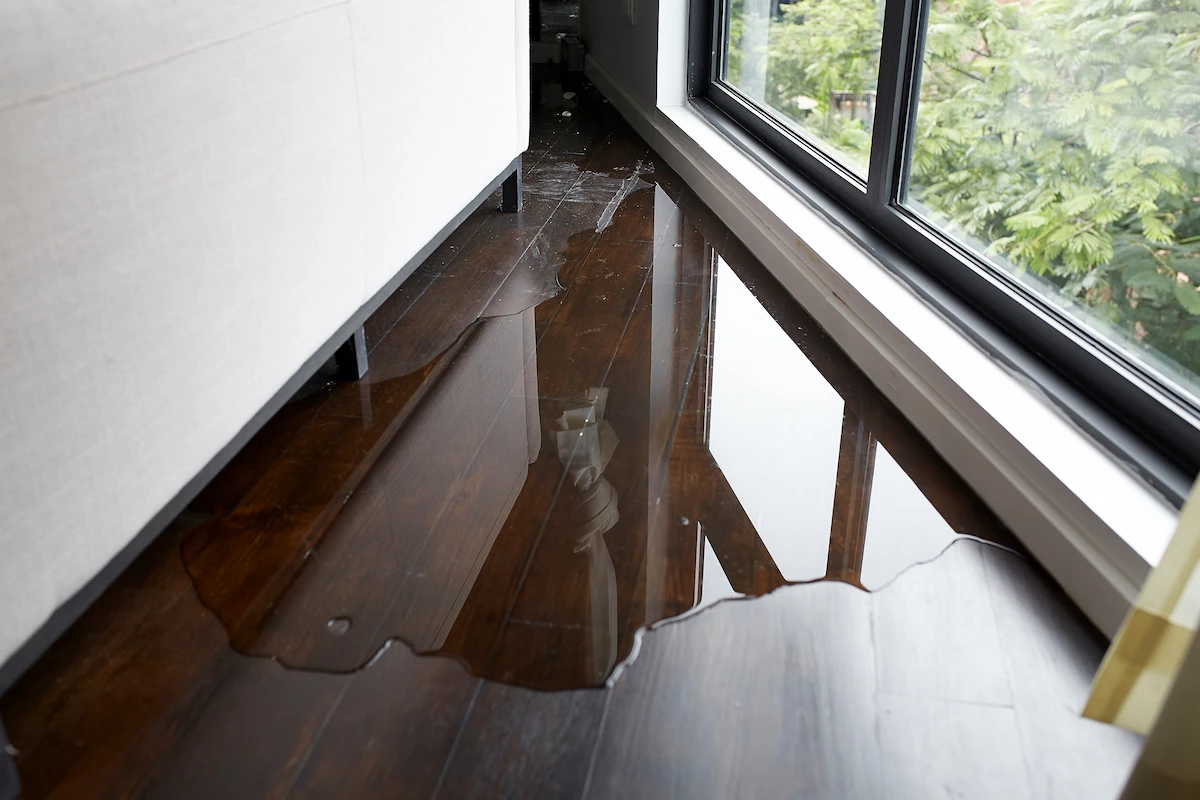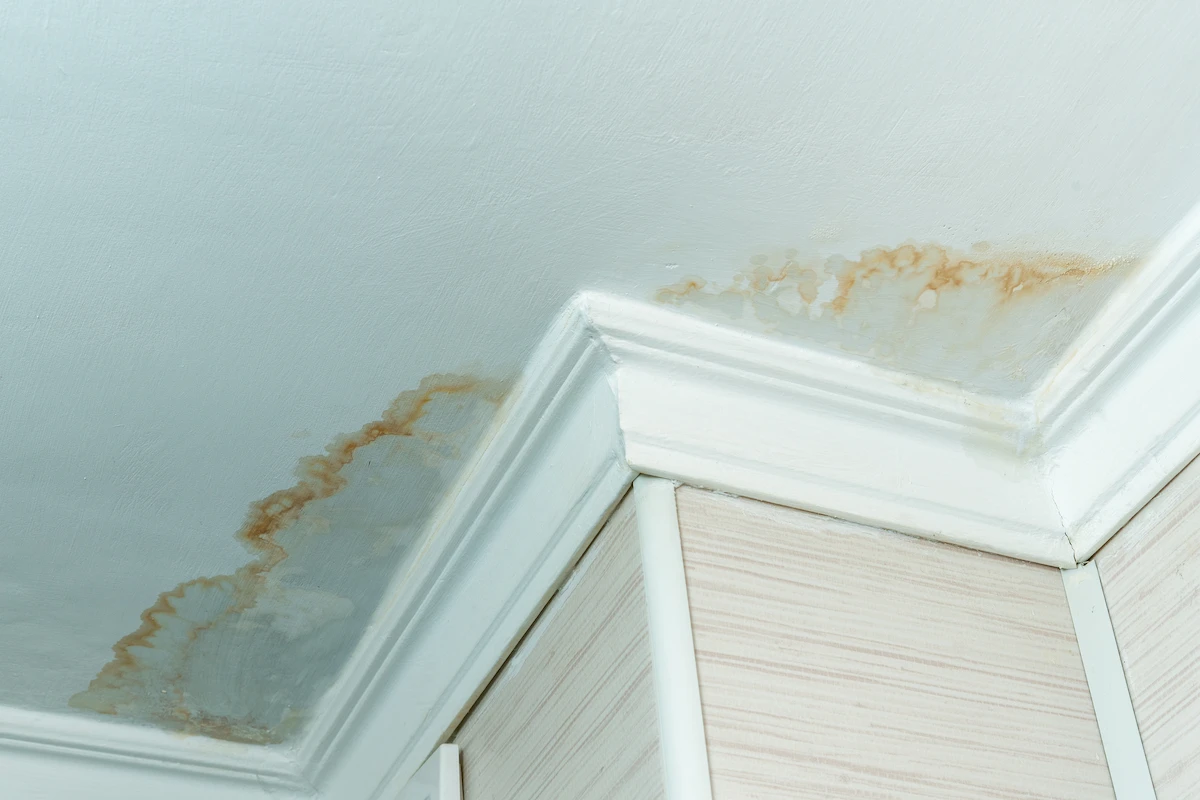
Crawl spaces are one of the most common places for water problems in Snohomish and King County homes, and one of the least visited. Months of rain, high groundwater and aging plumbing can leave a crawl space wet for long stretches before anyone looks underneath the house.
Common Causes of Crawl Space Water
Groundwater and Poor Drainage
During long wet seasons, the soil around and under your home stays saturated. If the lot slopes toward the house or the perimeter drain is clogged or missing, water can seep through the foundation and pool on the crawl space floor.
Gutters and Downspouts
Clogged gutters overflow right next to the foundation, and downspouts that empty too close to the house dump roof water where it can soak in. This is especially common on lots with tall evergreens.
Plumbing Leaks
Supply and drain lines often run through the crawl space. A slow drip from an aging fitting or a cracked drain can soak insulation and soil for weeks without anyone noticing.
Condensation
Without a good vapor barrier, moisture rises from the soil and condenses on cool surfaces like pipes, ducts and the underside of the floor.
Warning Signs Your Crawl Space Is Wet
- A musty or earthy smell in the house, especially in lower rooms
- Floors that feel soft, bouncy or cold
- Higher indoor humidity or condensation on windows
- Insulation sagging or falling from between the floor joists
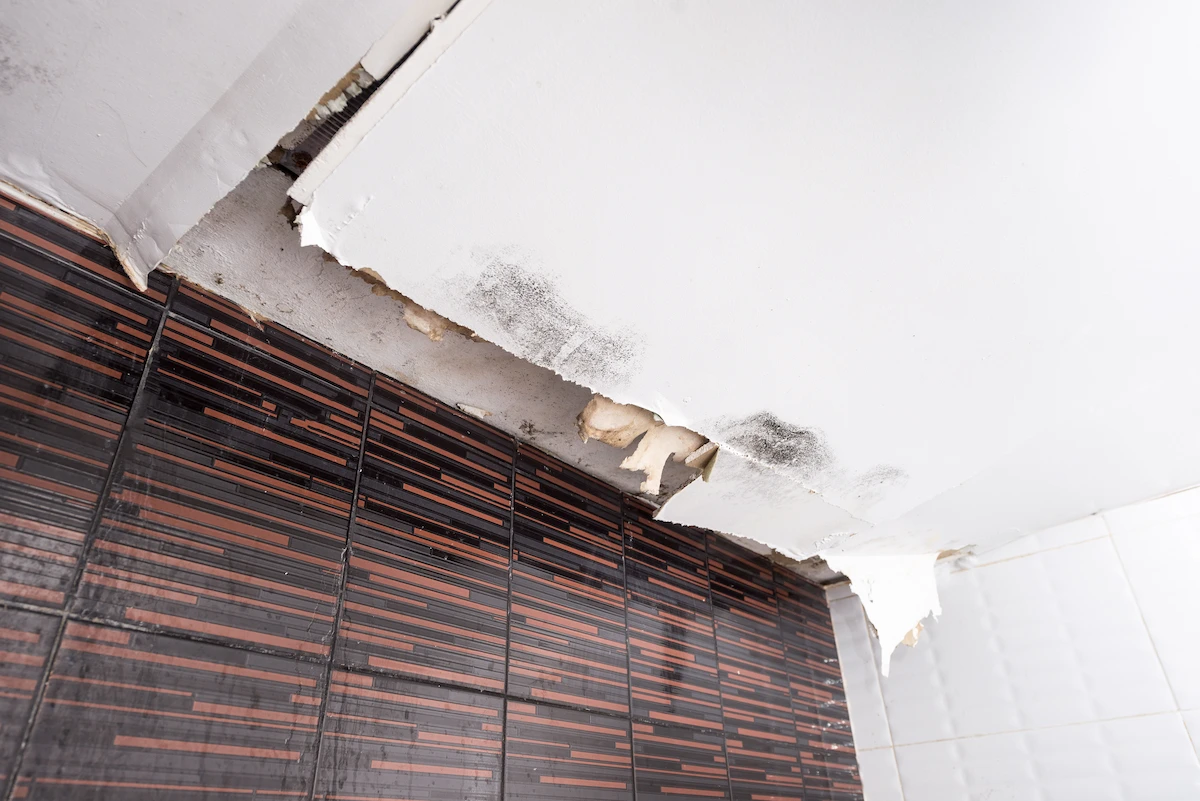
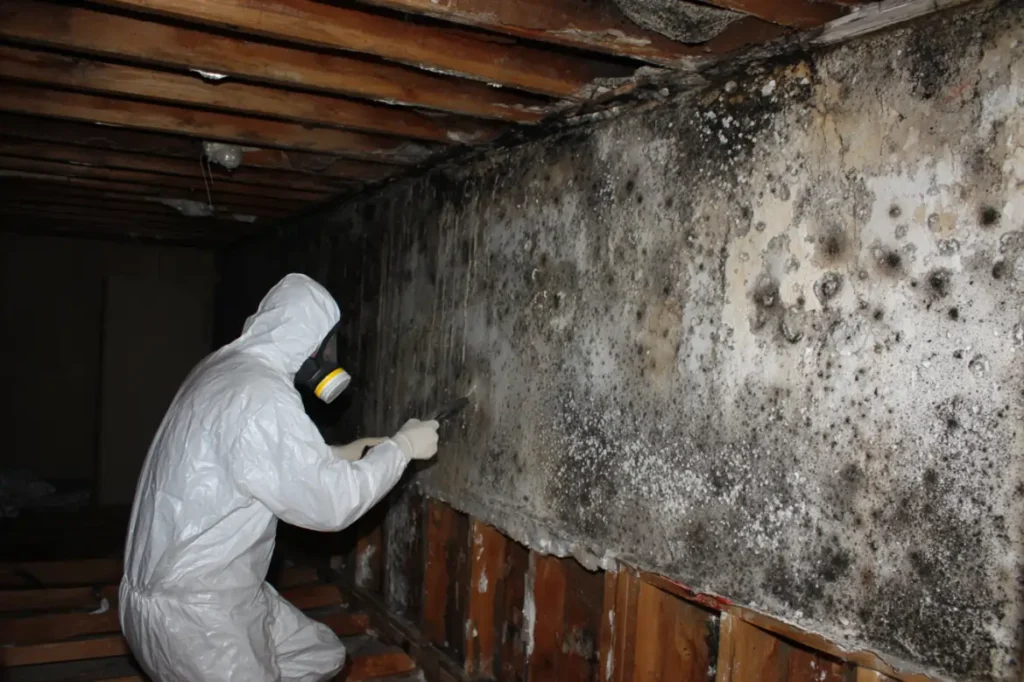
- Visible mold or staining on joists and subfloor
- Standing water or wet soil when you look through the access hatch
- More insects, such as sow bugs or carpenter ants
Why Crawl Space Water Matters
A wet crawl space does not stay under the house. Air from below moves up into living spaces, carrying moisture and odors with it. Over time, constant moisture can support mold on wood framing, ruin insulation, rust ductwork and weaken the subfloor.
How a Wet Crawl Space Is Dried and Fixed
1. Find the Source
The first step is figuring out where the water is coming from. A plumbing leak, a gutter problem and high groundwater all need different fixes, and drying alone will not solve any of them.
2. Remove Standing Water and Wet Materials
Standing water is pumped or extracted. Soaked insulation usually needs to come out, and contaminated materials are removed and disposed of properly.
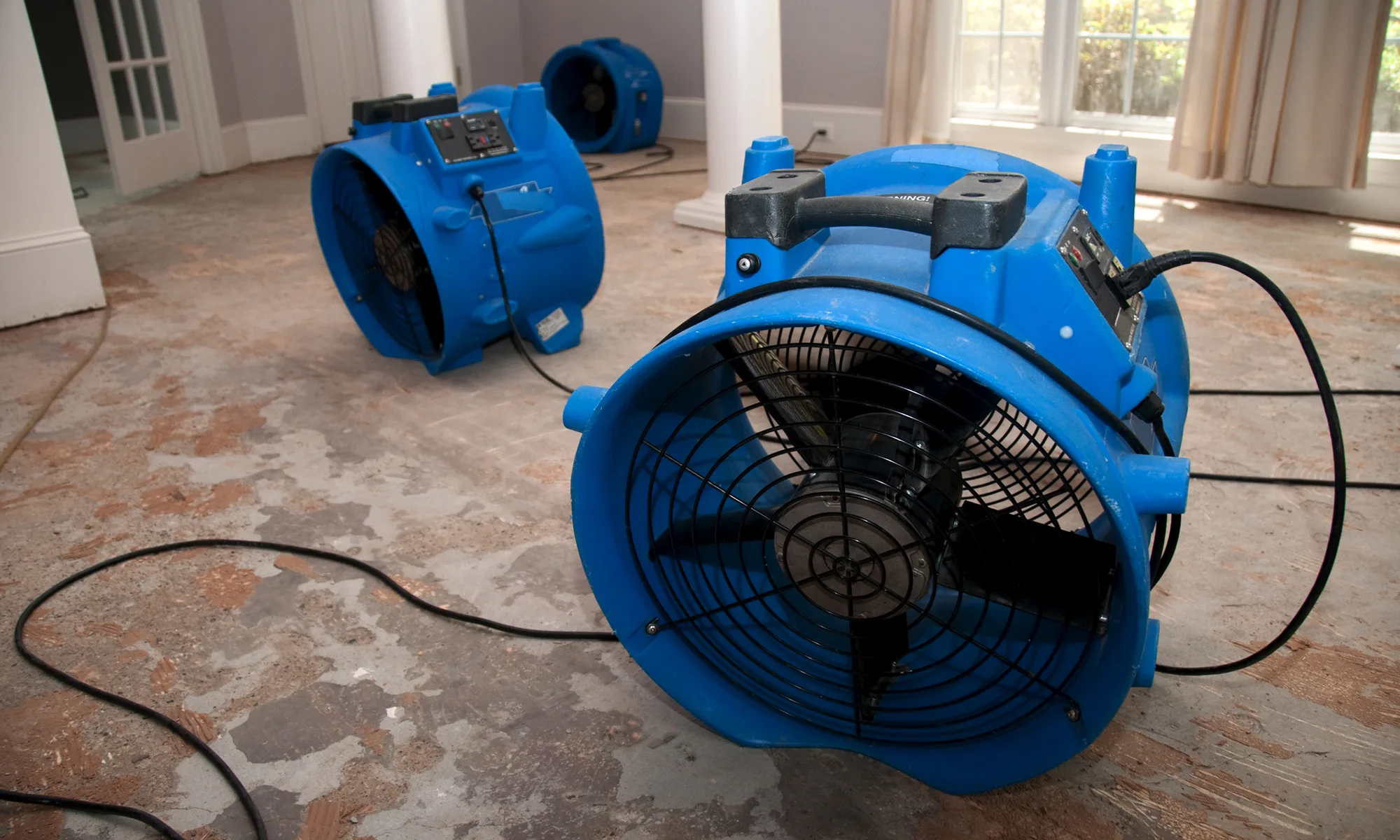
3. Dry the Structure
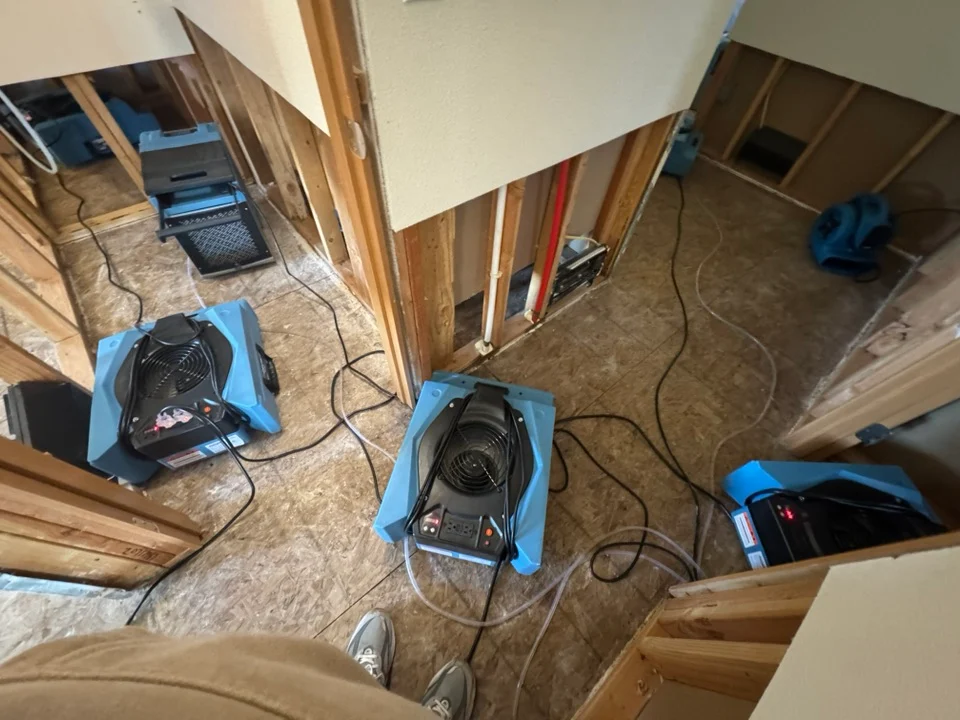
Dehumidifiers and air movers dry the joists, subfloor and sill plates. Moisture readings confirm when the wood is back to normal levels.
4. Keep It Dry
Long-term fixes may include a new vapor barrier, gutter and downspout repairs, improved grading, a sump pump or repairs to a perimeter drain. Northwest Restoration can explain what we found and what will help keep the space dry.
Get Your Crawl Space Checked
If you notice a musty smell or soft floors, or you have never had your crawl space looked at, call Northwest Restoration at (206) 707-4960. We will find the water, dry it out and help you keep it from coming back.