One of the first questions people ask after a leak is whether their homeowners insurance will pay for it. The honest answer is that it depends on your policy and on what caused the water. Knowing the general rules ahead of time helps you ask the right questions and avoid surprises.
This guide covers common patterns, not legal or insurance advice. Your policy and your insurer have the final word on coverage.
Sudden and Accidental Water Damage Is Often Covered
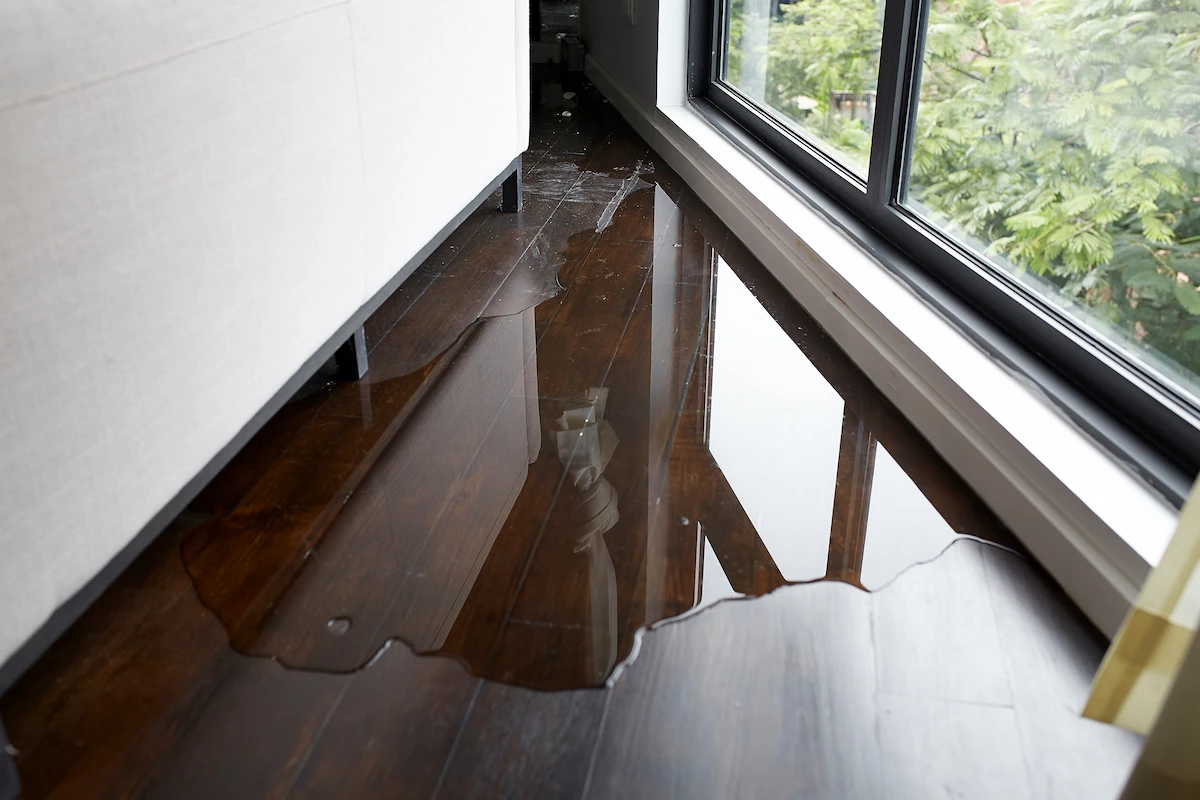
Many standard homeowners policies cover water damage that is sudden and accidental. Common examples include:
- A supply line to a toilet, sink or washing machine that bursts
- A water heater that suddenly fails
- A pipe that freezes and splits
- An appliance like a dishwasher that malfunctions and overflows
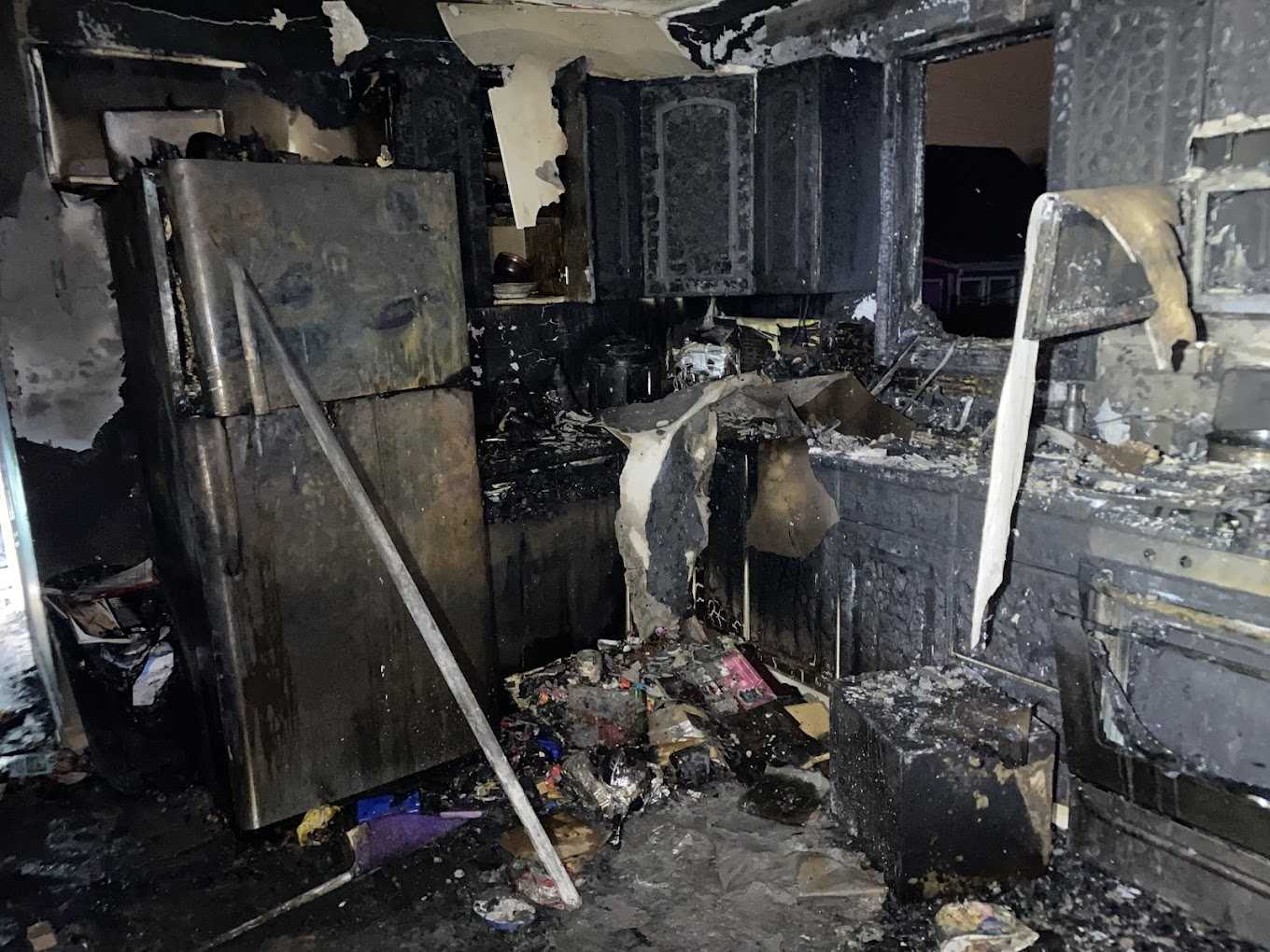
- Water used by firefighters to put out a fire
Policies often pay to dry and repair the damaged parts of the home, but they may not pay to repair the pipe or appliance that failed.
What Policies Commonly Exclude
Flooding From Outside
Water from rivers, rising groundwater or surface runoff is usually excluded from standard homeowners policies. Flood coverage is typically purchased separately, through the National Flood Insurance Program or a private flood insurer. If you live near the Snohomish, Skagit, Stillaguamish or Snoqualmie Rivers, it is worth checking whether you have it.
Slow Leaks and Lack of Maintenance
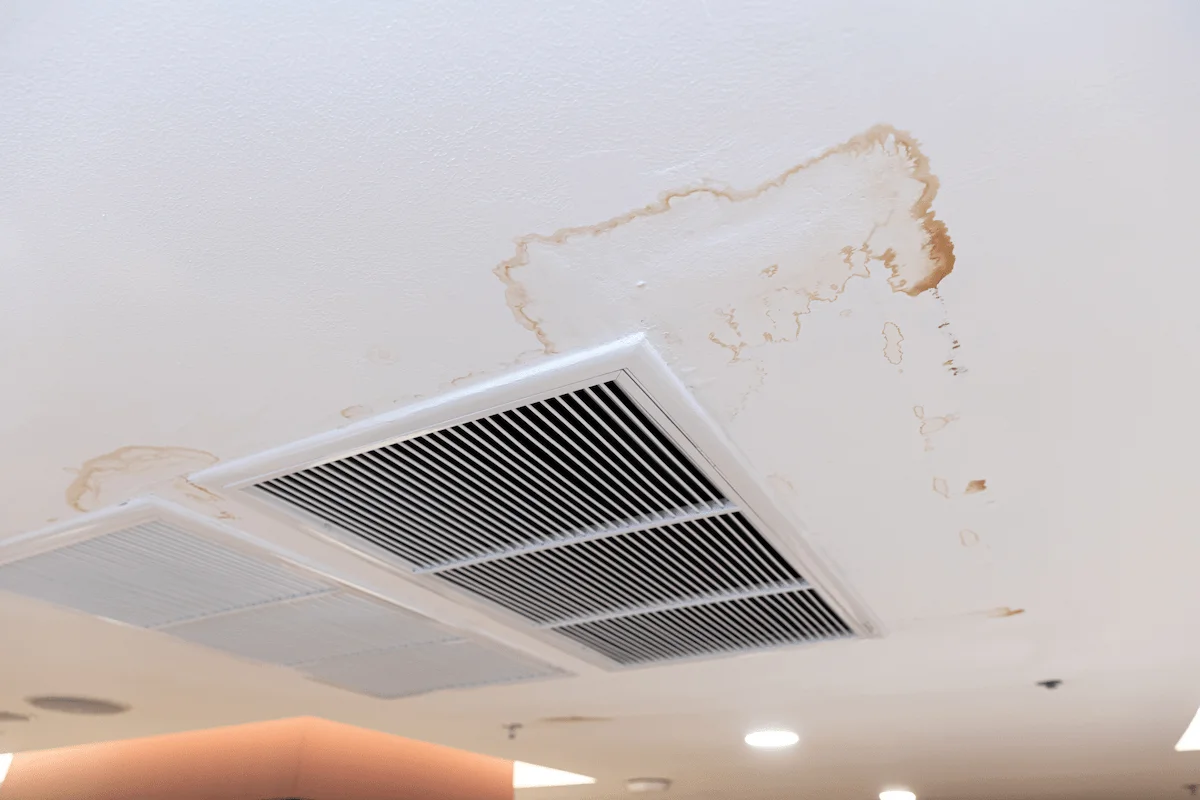
Damage that develops over weeks or months, such as a slow drip under a sink, a failing shower pan or a roof leak that was ignored, is often excluded. Insurers may see it as a maintenance issue rather than a sudden event.
Sewer and Drain Backups
Water that backs up through floor drains, toilets or showers is often excluded unless you have added a sewer or water backup endorsement to your policy. This is a common gap, and the add-on is usually inexpensive compared to the cost of a backup cleanup.
Mold
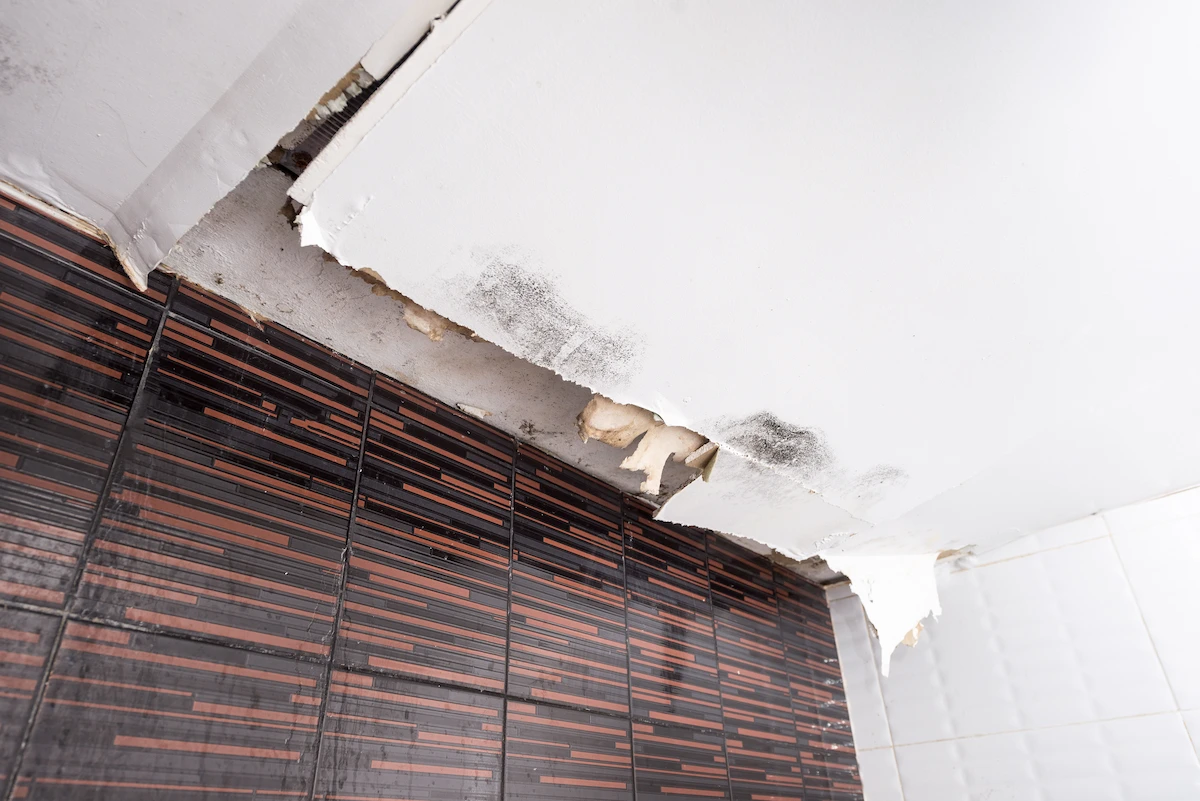
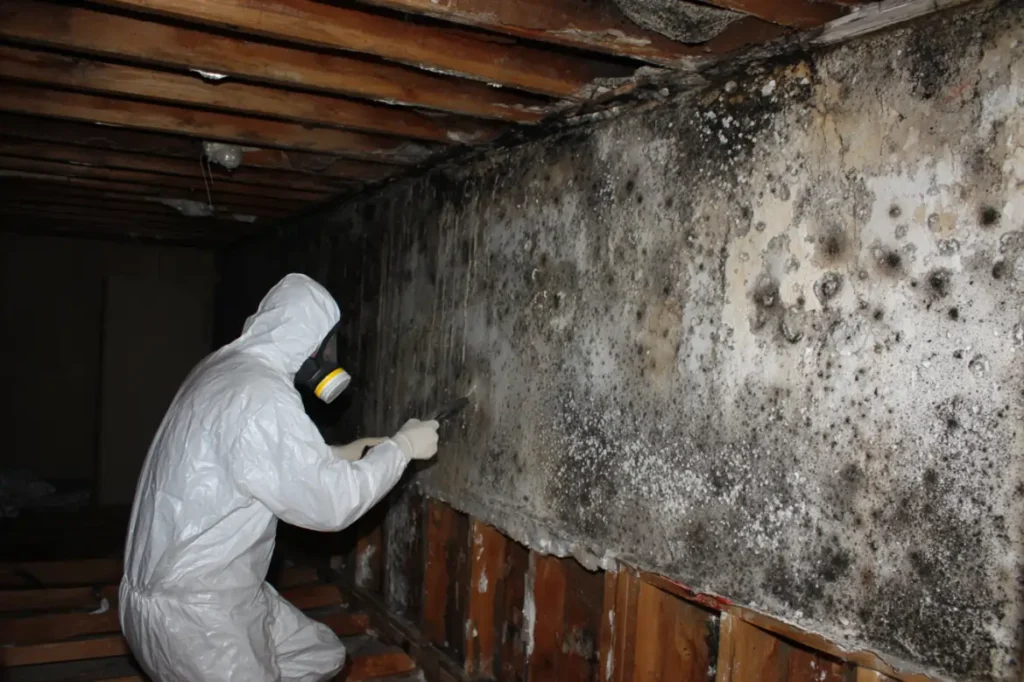
Many policies limit or exclude mold coverage, especially when mold results from a long-term leak. Some cover mold that results directly from a covered sudden water loss, often with a dollar cap.
How to File a Smoother Water Damage Claim
- Stop the water and prevent further damage. Most policies expect you to take reasonable steps to limit the loss.
- Take photos and video before cleaning up or moving belongings.
- Report the claim promptly and write down your claim number.
- Keep damaged materials or photos of them until the adjuster says otherwise.
- Save receipts for emergency repairs, hotel stays and supplies.
- Ask your restoration company for moisture readings and drying records.
How a Restoration Company Helps With Your Claim
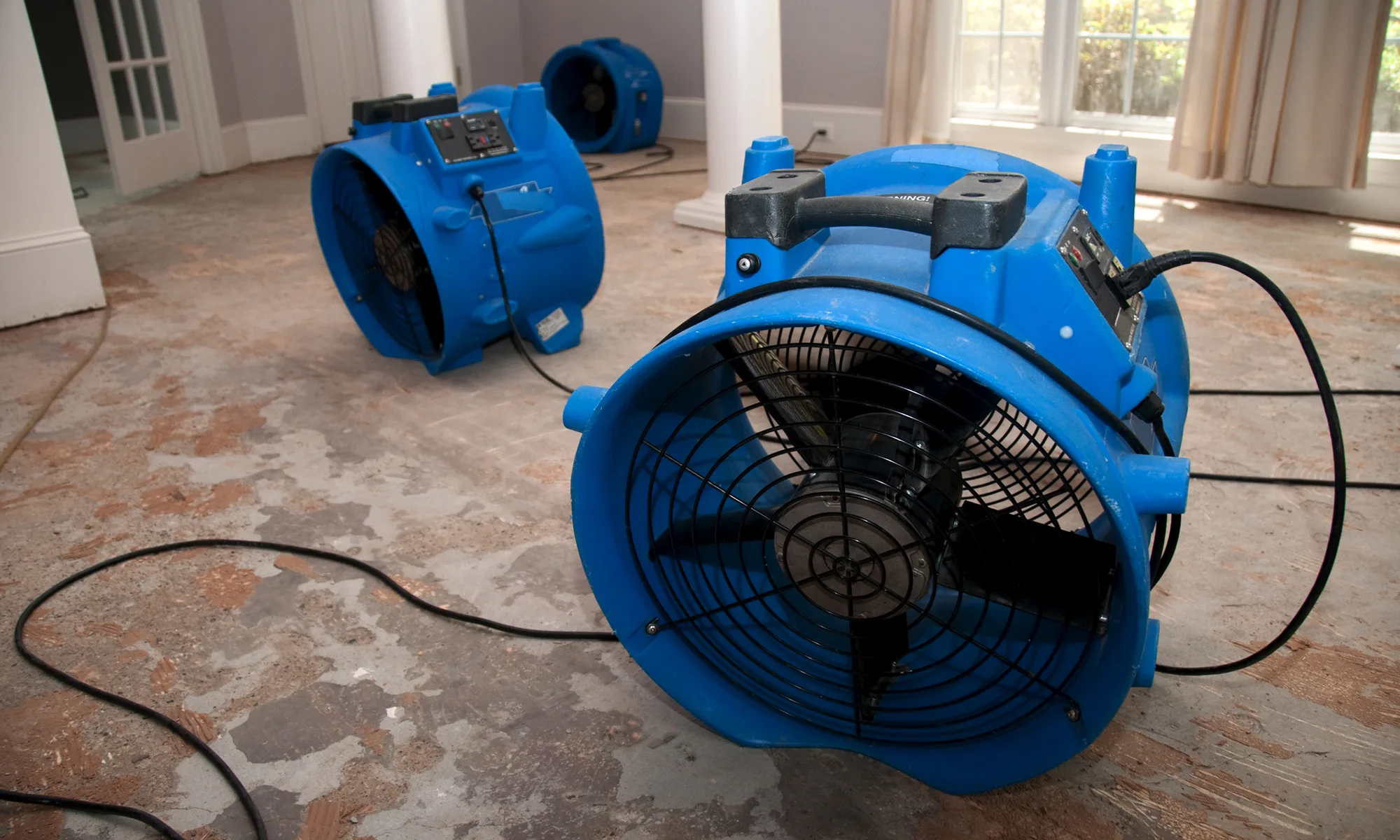
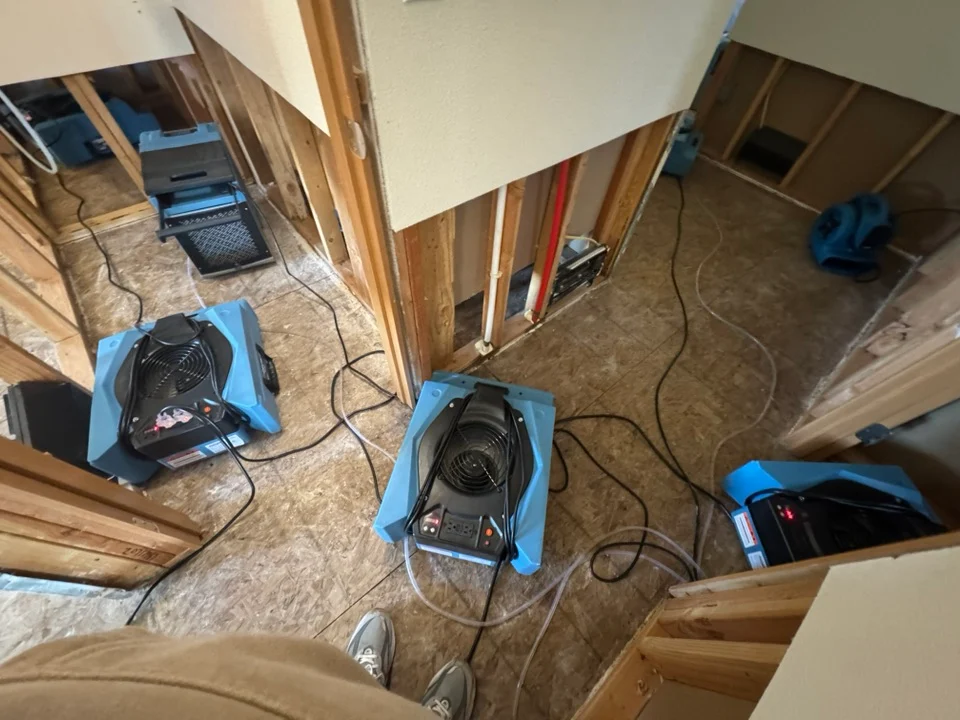
Northwest Restoration documents water damage with photos, moisture maps and daily drying records. That information helps your adjuster see what was affected and why each step was needed. We work with many major insurance carriers, and you always remain in control of your claim and your coverage decisions.
Where to Get Help in Washington
If you have questions about your rights or a dispute with your insurer, the Washington State Office of the Insurance Commissioner offers consumer help for policyholders. Your insurance agent is also a good first call to review your coverage before you need it.
Talk to Us About Your Water Damage
If water has damaged your home, start by stopping the source and calling Northwest Restoration at (206) 707-4960. We will help get the drying started and the documentation your claim needs.
Call Us Now (206) 707-4960