The first day after water gets into your home sets the tone for everything that follows. What you do in those hours can limit how far the water spreads, how much has to be torn out and how smoothly your insurance claim goes.
Use this checklist whether the water came from a burst pipe in Marysville, a failed water heater in Everett or rain finding its way into a basement in Lynnwood.
1. Make Sure It Is Safe
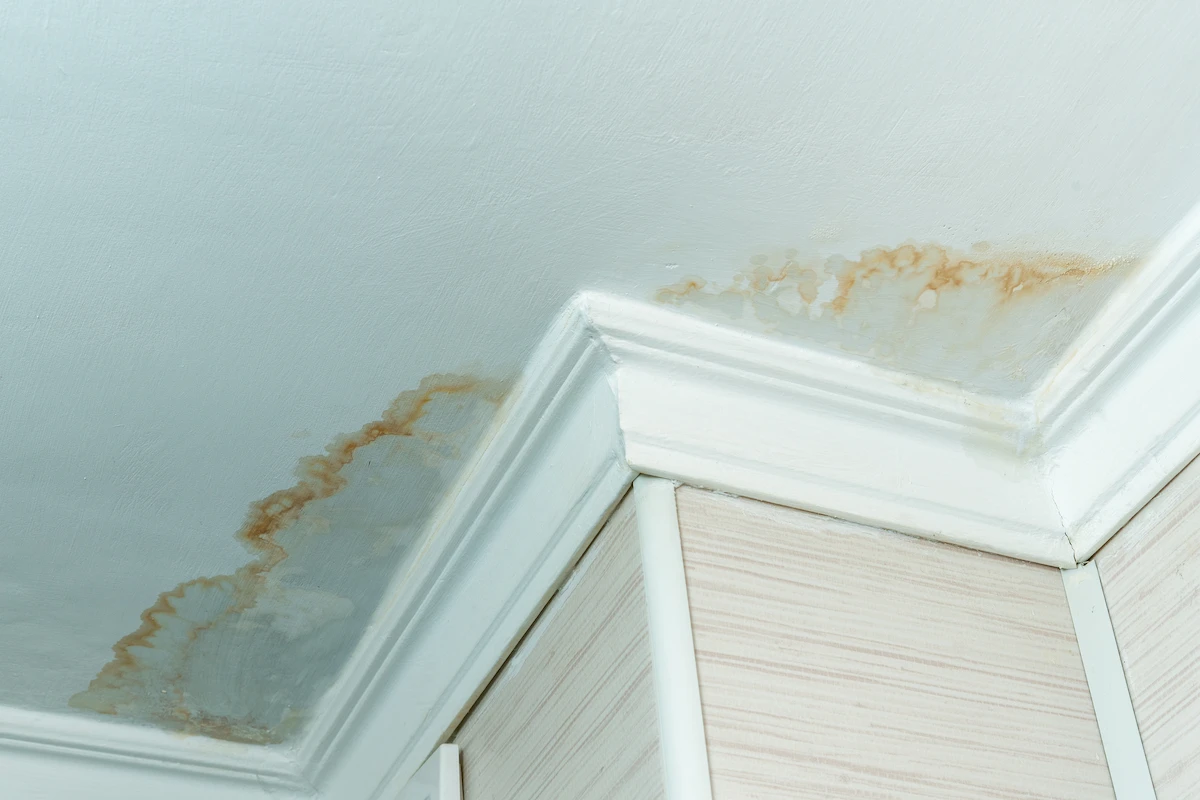
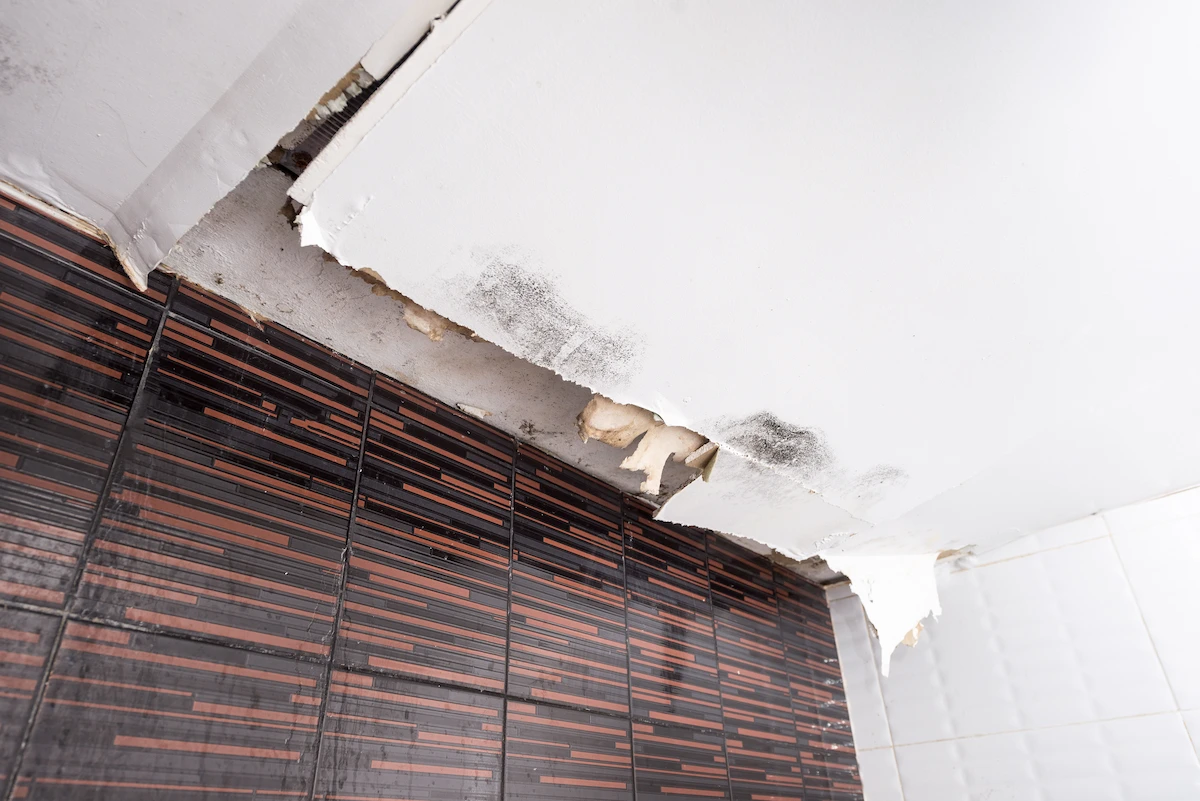
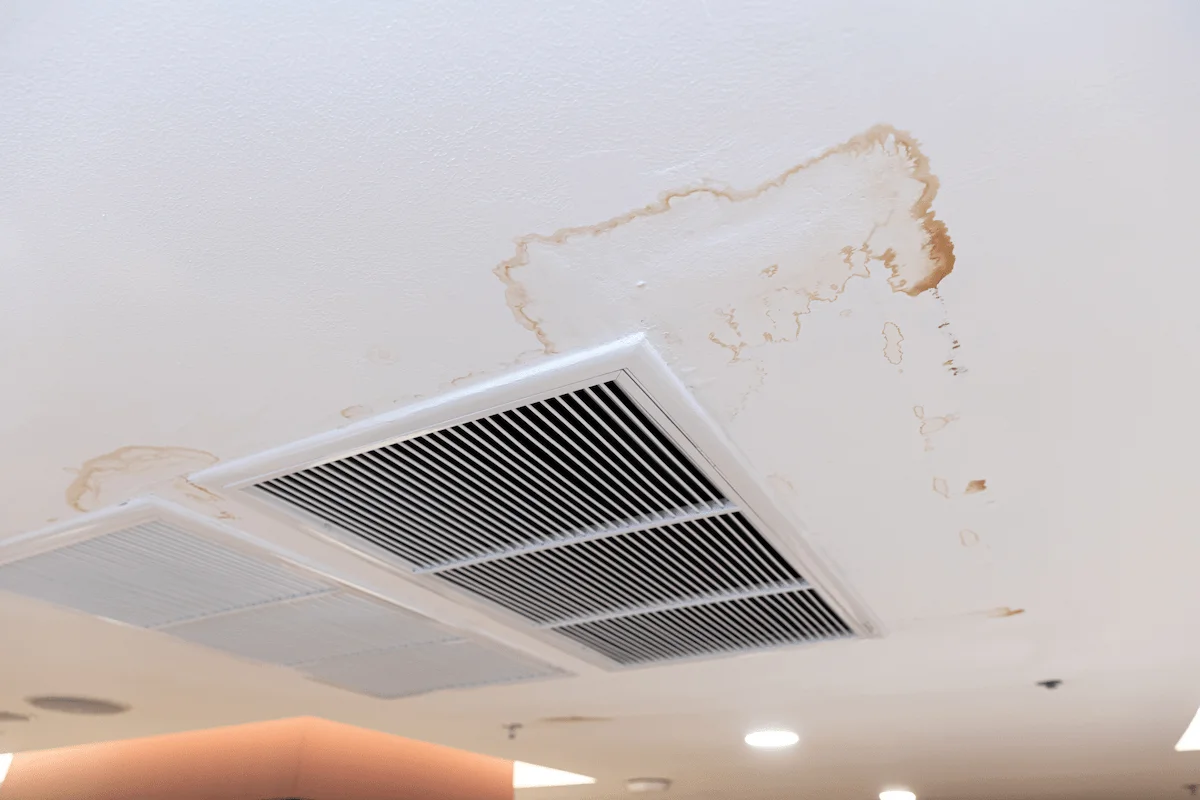
Before stepping into standing water, think about electricity. If water is near outlets, appliances or a breaker panel, do not walk through it. Turn off power at the main panel only if you can reach it from a dry spot. Stay out from under any ceiling that is sagging or bulging, since it may be holding water.
If the water came from a sewer backup or outside flooding, treat it as contaminated. Keep children and pets away and avoid touching it with bare skin.
2. Stop the Water at the Source
Find your main water shut-off valve, often in the garage, a utility closet, the crawlspace or near the water heater, and close it. For a single fixture like a toilet or washing machine, the valve behind it may be enough. If you have a water heater leak, close the cold-water supply valve on top of the tank.
It is worth knowing where your main shut-off is before you ever need it. If you have not looked yet, find it this week.
3. Document Everything Before You Move It
Take photos and video of the water, the source and every affected room before you start cleaning up. Capture wide shots of each room and close-ups of damaged flooring, walls, ceilings and belongings. These records are among the most useful things you can give your insurance company.
4. Call a Water Damage Restoration Company
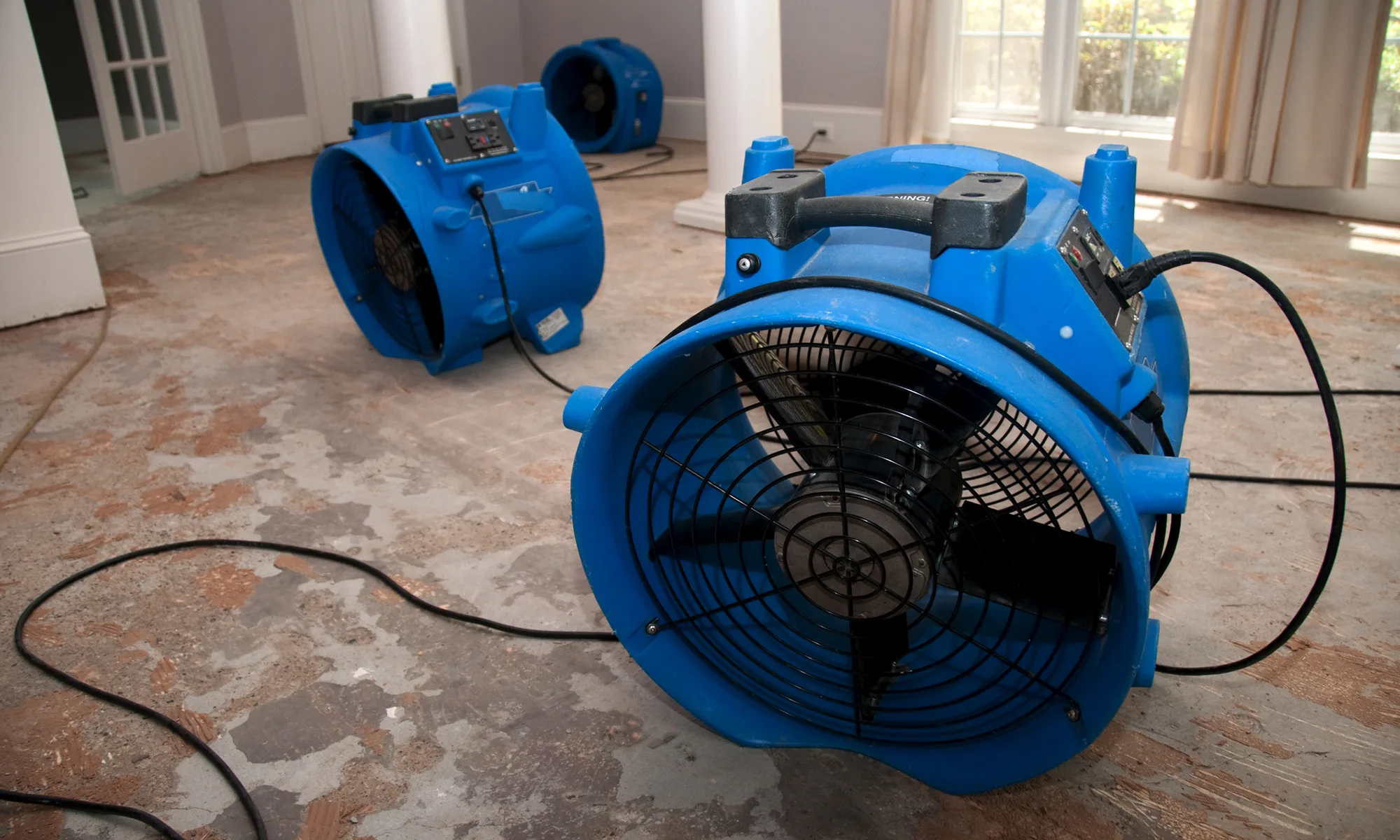
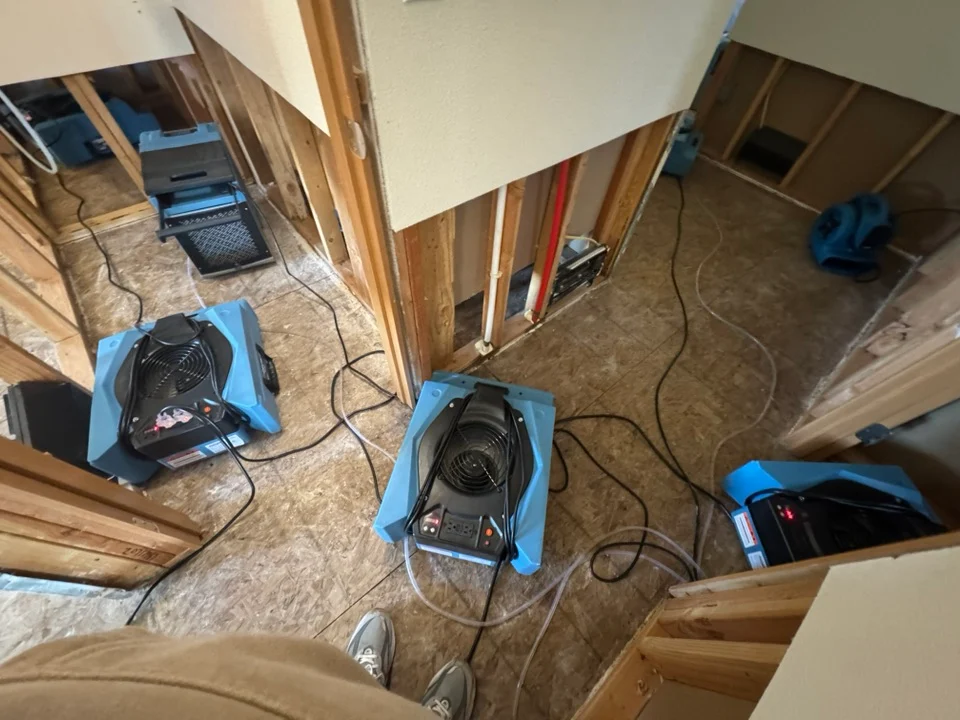
Professional drying is about more than removing the puddle. A restoration team uses moisture meters and thermal imaging to find water hidden in walls, under floors and in the room below, then sets up equipment to dry the structure properly.
Northwest Restoration answers calls 24/7 at (206) 707-4960 and serves homes and businesses across Snohomish, King, Skagit and Island Counties.
5. Notify Your Insurance Company
Report the loss to your insurer as soon as you can. Ask how they want the claim handled, whether they will send an adjuster and what documentation they need. Keep notes of every call, including the date, the person you spoke with and what they said.
6. Protect What You Can
If it is safe, move furniture, rugs, electronics and important papers out of wet areas. Place aluminum foil or plastic under furniture legs that cannot be moved so stains do not transfer to wet carpet. Hang wet rugs and clothing to dry somewhere with good airflow.
What Not to Do
- Do not use a household vacuum to pick up water.
- Do not run ceiling fans or lights if the ceiling is wet.
- Do not tear out drywall or flooring before it has been documented.
- Do not assume a surface that feels dry is dry underneath.
- Do not wait several days to see if it dries on its own.
Why the First Day Matters in the Pacific Northwest
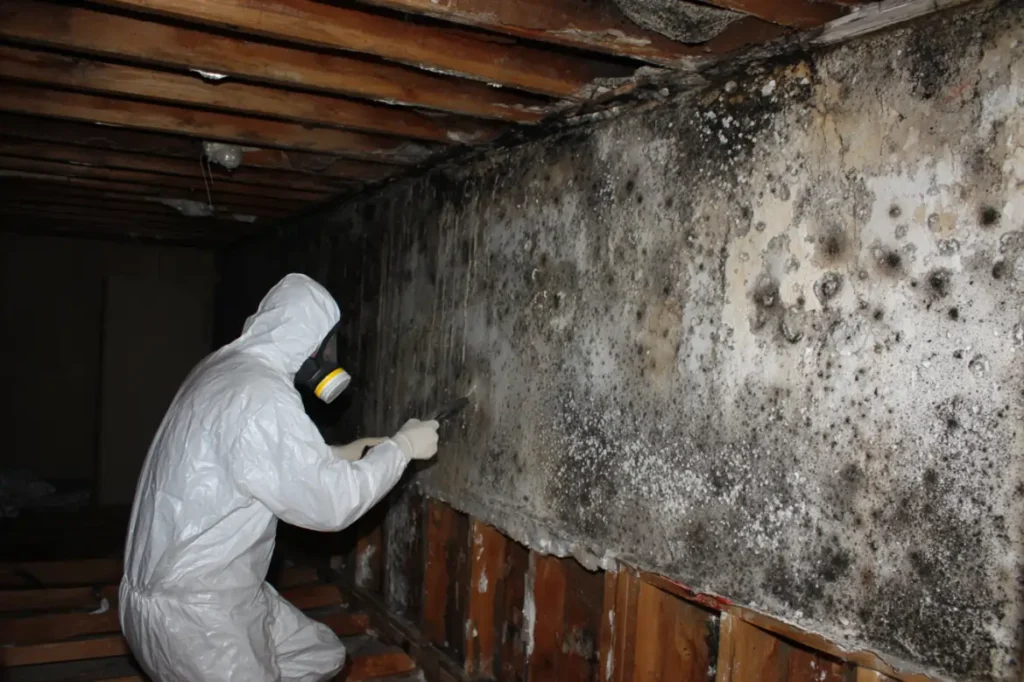
Our damp, cool climate means wet materials dry slowly on their own. Moisture that sits in drywall, insulation and subfloors for days creates conditions where mold can start to grow and wood can swell or warp. Starting professional drying early usually means less removal, a shorter project and a cleaner insurance claim.
Get Help Now
If water has gotten into your home or business, call Northwest Restoration at (206) 707-4960. We will talk through what happened, what to do right now and when our team can get there.
Call Us Now (206) 707-4960