


Water can damage your ceiling, whether it’s from a leaky roof, a burst pipe, or a flood. But can you save a wet drywall ceiling? The answer might surprise you. This article explores the options for a wet drywall ceiling, including its structural integrity, mold risk, and long-term effects.
Before you decide to replace it, learn the first steps to potentially save your ceiling. Discover how to handle water damage and what to do next.
Key Takeaways
- Water intrusion can compromise the structural integrity of a drywall ceiling.
- Mold is a significant concern with water damaged drywall ceilings.
- Immediate action is critical in trying to save a wet drywall ceiling.
- Assessing the damage’s extent is key to deciding if repair is possible.
- Getting professional help is essential for serious water damage.
- Water damage can weaken building materials over time.
Assessing the Damage to Your Wet Drywall Ceiling
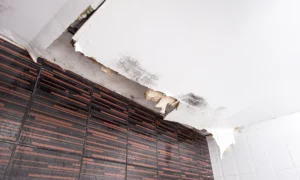
It’s important to check the damage on your wet drywall ceiling to know what to do next. Look for signs like sagging, color changes, and mold or mildew. These are clear signs of trouble.
When you do a water damage assessment, look for uneven surfaces or bulges. These usually mean there’s water inside. Yellow or brown spots on the ceiling are also bad signs. They show water has gotten in.
To get a closer look, use tools like moisture meters. They show how wet the drywall is. Thermal cameras can also find wet spots that you can’t see.
Here’s a quick guide to help you assess wet drywall damage:
- Check for soft or spongy spots by gently pressing on the drywall.
- Inspect for any drooping or sagging areas that deviate from the ceiling’s normal profile.
- Look for discoloration, particular yellow, brown, or any dark spots indicating mold growth.
- Use a moisture meter to measure the moisture content; levels above 1% generally require immediate attention.
- Employ thermal imaging to locate hidden moist areas.
By using these steps and tools, you can figure out how bad the damage is. This will help you decide if you can fix it or if you need to replace it. A good inspection will tell you what to do next.
Steps to Save a Wet Drywall Ceiling
Acting fast when your ceiling gets wet can make a big difference. Follow these steps to fix water damage at home:
- Turn Off the Water Source: The first step is to stop leaks by turning off the main water supply.
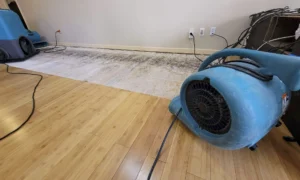
- Dry Out the Area: Use fans, dehumidifiers, and open windows to dry the ceiling. This helps dry it out faster.
- Remove Damaged Sections: Cut out wet parts of the drywall. This makes it easier to fix the damage.
- Reinforce the Ceiling: After removing wet parts, add support beams. This strengthens the ceiling.
- Patching and Repainting: Use *drywall patches* to fix gaps or holes. Then, repaint to match the ceiling’s original look.
Preventing damage is important. Check your ceiling for water damage signs often. Fix leaks right away. Also, keep areas with moisture well-insulated and ventilated. If you can’t handle the damage, call a professional for help.
Conclusion
The question “can a wet drywall ceiling be saved” depends a lot on quick action. It’s key to tackle water damage fast to stop it from getting worse and to avoid health risks. First, you need to check how bad the damage is and then figure out how to fix it.
It’s important to dry the affected area well before starting repairs. This step is essential for fixing the ceiling right.
Acting fast, like removing moisture and using drying methods, is the first step to saving the ceiling. After that, you might need to fix any damaged parts. Doing this right can make the ceiling look new again.
This article shows how important it is to start these steps quickly and well.
While you can try to fix it yourself, some big water damage jobs need a pro. Getting help from water damage experts can make a big difference. If you’re not sure you can handle it, calling a professional is a smart move.
Recover with Assurance — Northwest Restoration of Washington
Whether it’s water, fire, mold, or storm damage, Northwest Restoration delivers fast, professional cleanup and restoration services you can trust. Available 24/7—contact us today!