



Painting over water damage on drywall might seem like a simple solution. But, there are important steps to take first for a lasting fix. You must fix any leaks, dry the area well, treat or remove mold, and use a stain-blocking primer. If you skip these steps, moisture could come back and harm your new paint job.
Effective ways to repair water-damaged drywall include using dehumidifiers and hiring mold experts. Also, choose top-notch primers and paints to cover stains and prevent future damage.
Key Takeaways
- Can you paint over water damage on drywall: Yes, with proper preparation.
- Addressing the source of moisture is key before painting.
- Use dehumidifiers to dry the area well.
- Professional mold removal may be needed for safety.
- Apply a stain-blocking primer to stop water stains from coming back.
- Choose high-quality paints for lasting coverage and protection.
Identifying and Preparing Water Damaged Drywall
Before you can paint over water stains on drywall, you must first understand the extent of the damage. Water-damaged drywall often points to deeper problems that need fixing.
Signs of Water Damage
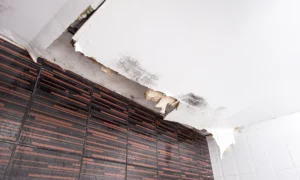
Spotting water damage is the first step to fixing it. Look for stains on walls and ceilings, which can be brown, yellow, or gray. These stains usually mean there’s moisture present.
Other signs include soft drywall, peeling paint, musty smells, or mold. These all mean the drywall’s structure is at risk and needs fixing.
Initial Steps to Take
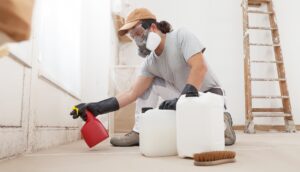
When you find water damage, fix the moisture source right away. Start by repairing leaks and stopping water from getting in. Clean the area with gentle cleaners like Selleys Sugar Soap.
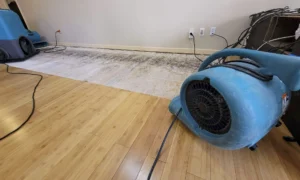
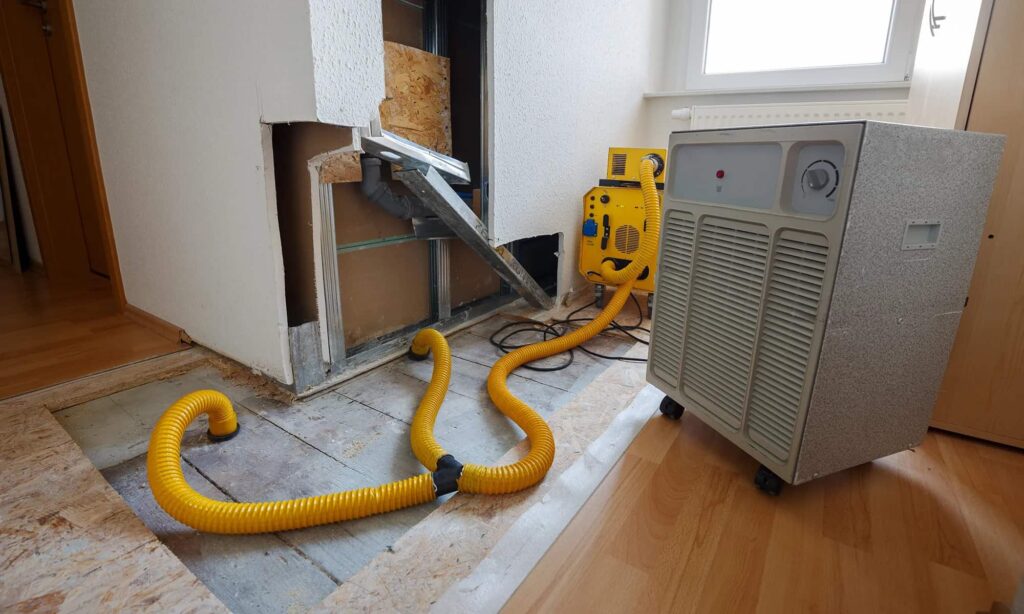
Remove any loose paint or debris. Then, dry the area deeply. Fans or dehumidifiers can help a lot. For mold, it’s best to get a pro’s help before painting.
Getting the drywall dry and clean is essential. This step helps avoid more damage and mold. It makes painting or repair successful.
Can you paint over water damage on drywall?
Painting over water damage on drywall is possible, but you need to prepare well. This way, you can get a smooth and lasting finish. Fixing water stains and painting over spots can make your home look new again. But, you must take the right steps to avoid problems later.
Steps Before Painting
First, fix the water damage to stop it from happening again. Make sure the area is dry, clean any mold, and fix any leaks. Use Peeling Stop or a Sealer Binder to strengthen the damaged area.
Then, fill in any dents or cracks with a filler. Sand the area until it’s smooth. This makes it ready for priming.
Priming and Painting
Choosing the right primer is key. Use a water-based primer or a specialized sealer to cover stains and stop water. Zinsser Mold Killing Primer works well.
After priming, pick a good paint for durability and look. Berger Everlast or Dulux Snow Season Quarter are good choices. This way, painting over water spots will look great and last long.
Conclusion
To paint over water-damaged drywall well, you need to prepare carefully and pay attention to details. Fixing both the looks and the structure of the wall is key for a lasting finish. Start by spotting signs of water damage like color changes and soft spots.
Then, dry out the area and check how bad the damage is. Before painting, fix any mold or structural problems. Use good primers to cover stains and the right paints for a smooth, lasting finish. This not only makes the wall look good again but also stops future problems.
If the damage is too much or you’re not sure what to do, getting help from a pro might be a good idea. Experts can make sure repairs and painting are done right. This saves time and keeps you safe. Using the best methods and products can lead to beautiful, lasting results.
Recover with Assurance — Northwest Restoration of Washington
Whether it’s water, fire, mold, or storm damage, Northwest Restoration delivers fast, professional cleanup and restoration services you can trust. Available 24/7—contact us today!