After a house fire, people often ask how long restoration will take or what it will cost. Neither question can be answered until the damage has been assessed carefully, because two fires of the same size can leave very different jobs behind. This guide explains what that assessment looks at and the decisions it leads to.
Is the Structure Sound?
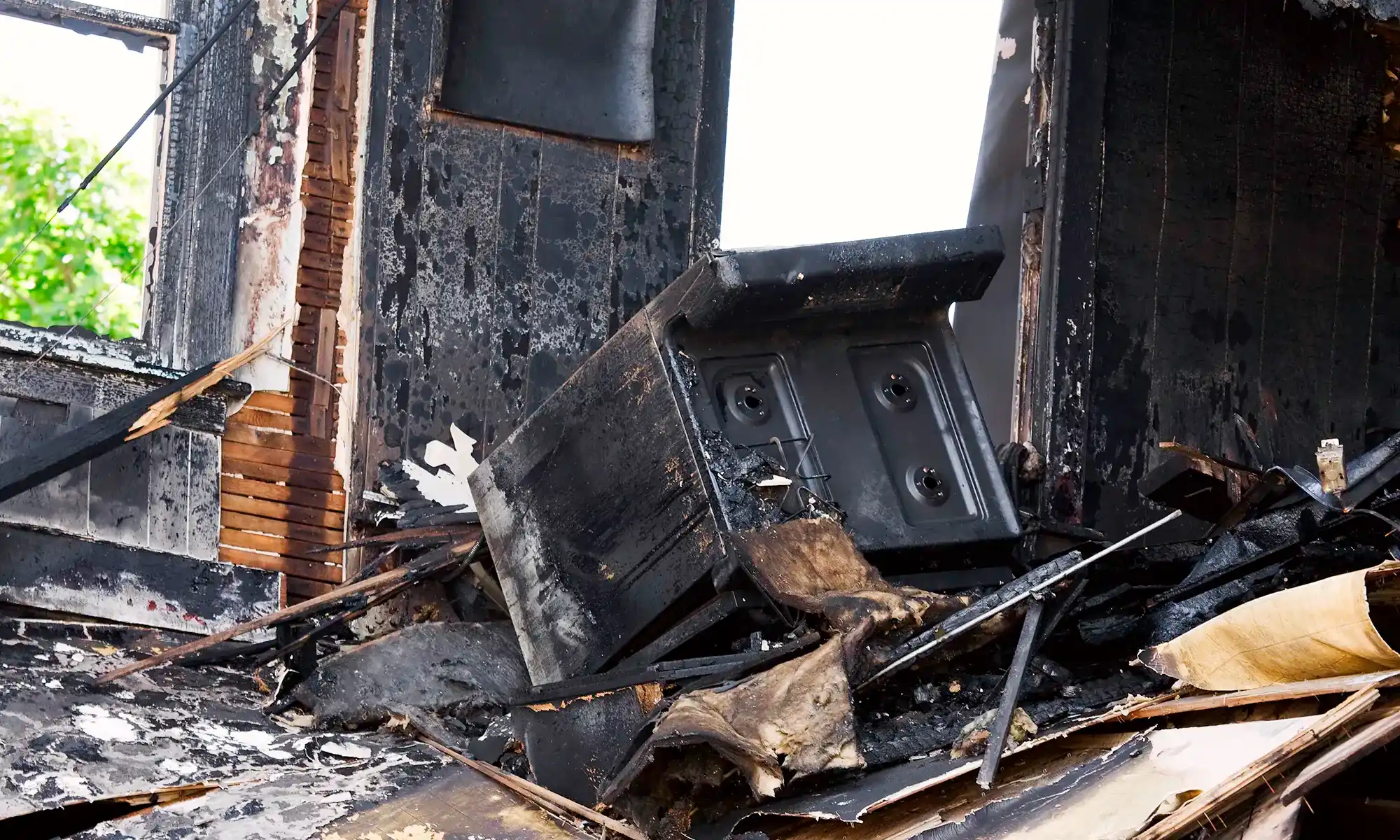
The first question is structural. Charred joists, rafters or beams may have lost strength, and heat can damage connections and fasteners. Where burning reached framing, a building official, engineer or qualified contractor may need to evaluate it before cleaning or repair work goes ahead in that area.
How Far Did Smoke and Heat Travel?
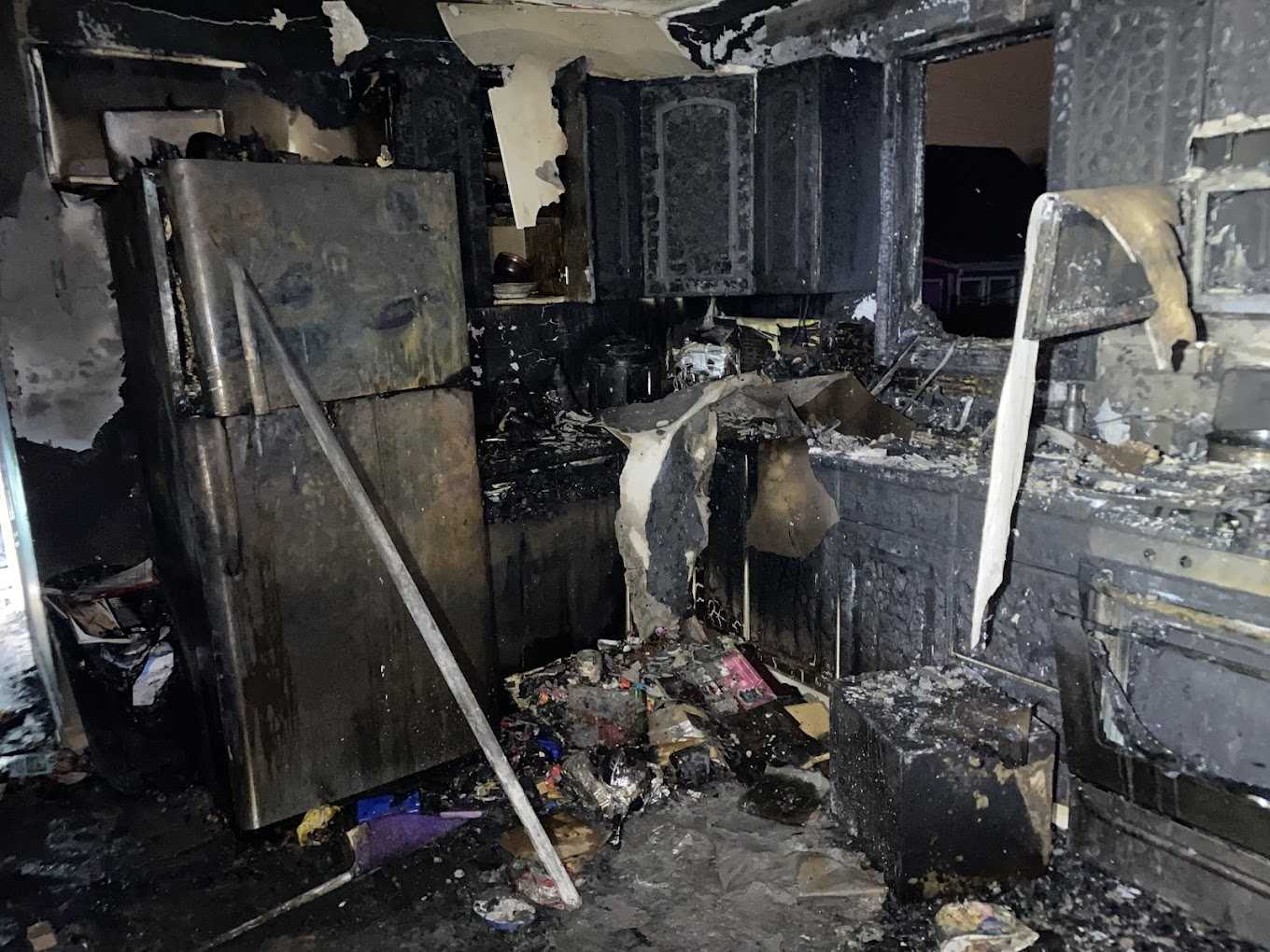
The burned room is usually obvious. What takes a trained eye is the rest of the building: smoke that moved up a stairwell, residue pulled through return-air ducts, heat that softened plastics in the next room. A thorough assessment walks every space, opens cabinets and closets, and checks the attic and duct system, because missed areas are where odor complaints come from later.
Clean or Replace?
Each affected material falls into one of three groups, and sorting them is the core of the recovery plan:
- Cleanable: hard, sealed surfaces with light to moderate residue, such as many painted walls, cabinets, tile and glass.
- Possibly cleanable: materials where the outcome depends on testing a small area first, such as some flooring, upholstery and textiles.
- Replace: charred or heat-warped materials, porous items that absorbed heavy smoke, and insulation exposed to smoke or firefighting water.
Testing a cleaning method on a small, inconspicuous area before committing to it avoids spending money cleaning something that will be replaced anyway.
What About Belongings?
Contents are often a large part of a fire loss. Recovery usually involves an itemized inventory, decisions about which items are worth professional cleaning, and sometimes moving salvageable contents out of the home so the structure can be worked on. Photograph items before anything is discarded and keep a running list; it will help with your claim and with your own memory of what was in each room.
Water From Firefighting
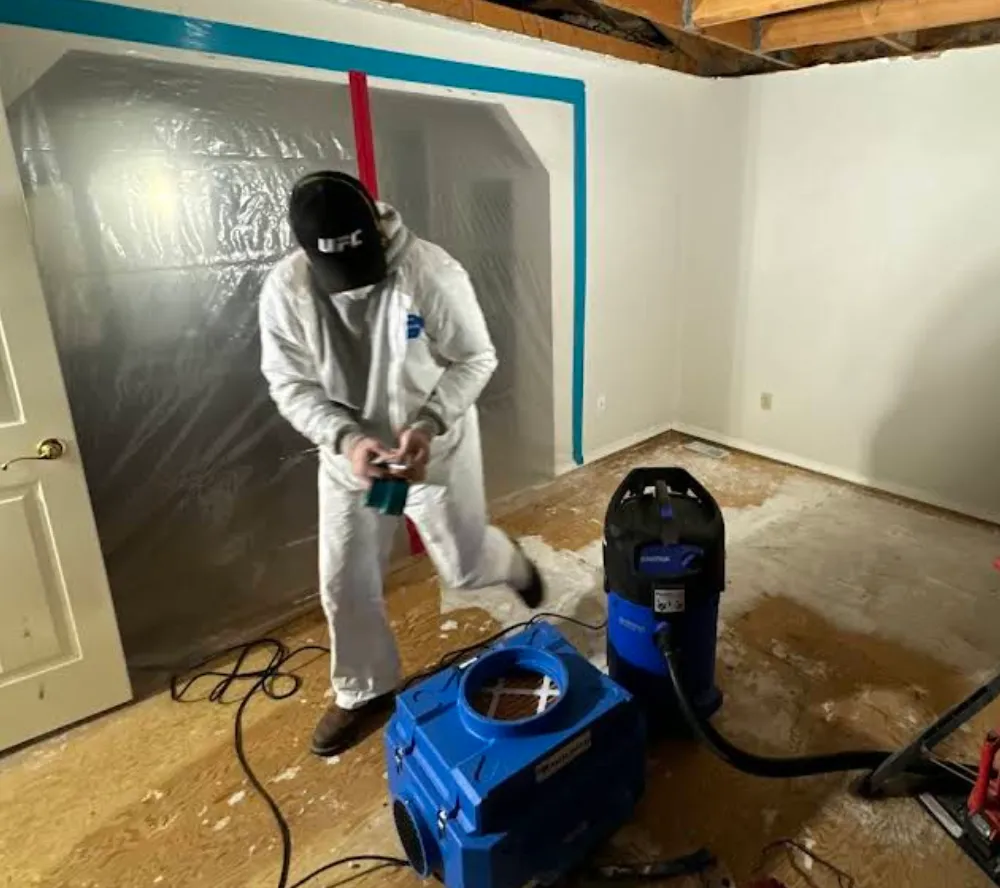
Suppression water soaks into subfloors, wall cavities and insulation, and in a damp climate like ours, wet materials left alone can support mold. Drying is usually part of the earliest work on a fire job, before the soot cleaning is finished.
Questions to Ask Before Work Starts
- Which rooms are included in the cleaning scope, and which are excluded?
- Which materials will be removed, and why?
- How will the HVAC system be evaluated and cleaned?
- How will contents be handled, inventoried and stored if they leave the home?
- What documentation will I receive for my insurance company?
- Who is responsible for the rebuild once cleaning and demolition are done?
Living Arrangements During Recovery
Whether you can stay in the home depends on the extent of the damage, the condition of utilities and the work that needs to happen. Many homeowner policies include coverage for additional living expenses after a covered loss; your insurer can tell you what yours includes.
Related Services & Guides
Northwest Restoration can walk through a fire-damaged property with you once the authorities have released it. Call (206) 707-4960 to arrange an assessment.
Call Us Now (206) 707-4960