


Ever wondered if that water stain on your ceiling is new or old? Knowing the difference between new and old water damage is key for keeping your home in good shape. By learning how to assess water damage, you can fix problems quickly and save money on repairs.
This article will teach you how to spot water damage and figure out when it happened. Whether it’s a sudden leak or a long-term problem, our advice will make you better at spotting water damage. This way, your home will stay safe and sound.
Key Takeaways
- Understanding the importance of distinguishing between new and old water damage.
- Learning the basics of water damage assessment for effective home maintenance.
- Recognizing visual signs to identify new or old water damage.
- Timely detecting water damage to prevent further issues.
- Reducing restoration costs with proper water damage timeline detection.
Understanding Water Damage Identification
Spotting water damage in homes is key. It can come from leaks, roof issues, foundation cracks, or floods. Knowing where water damage comes from helps fix it fast.
How long water stays and its type affect damage. Clean water is easier to fix than dirty water. Weather like humidity also plays a role, making quick detection important.
Water damage shows in many ways. You might see stains or mold. But tools like moisture meters help find hidden water. This way, experts can tell old damage from new.
Visual Signs of Water Damage
Spotting the visual signs of water damage is key for quick and right fixes. Water damage shows up in many ways:
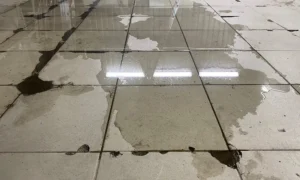
- Discoloration: Look for yellowish-brown stains on walls, ceilings, and floors. These stains often show moisture seepage.
- Swelling: Wood and laminate flooring, as well as drywall, may swell or bubble up from water absorption.
- Warping: Warped floors and ceilings are often signs of long-term moisture, showing big issues.
When it comes to recognizing old vs new water damage, there are key differences:
- Color Changes: New water damage shows as darker, fresher stains. Older damage may lighten as it dries.
- Texture: Fresh damage feels damp and soft. Older damage may have a crusty or flaky texture.
The environment greatly affects moisture damage distinction. High humidity and changing temperatures make water damage worse. By knowing these visual signs of water damage, people can act fast to prevent bigger problems.
How to Tell if Water Damage is New or Old?
Knowing if water damage is new or old is key to fixing it right. You need to do a detailed water damage assessment to figure this out. Here’s a simple guide to help you:
- Inspect Moisture Levels: Use a moisture meter to check how wet things are. New damage usually has higher moisture levels. Older damage might have lower readings because the water has evaporated.
- Examine the Color and Texture: New damage looks darker on surfaces. Older damage might look lighter or more dried out. The texture of the area also changes over time, from soft to brittle.
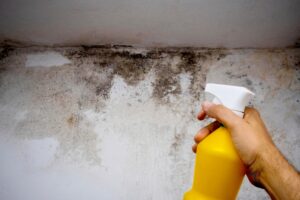
- Smell for Mustiness: Do a smell test. A musty smell means the damage is older and might have mold. New damage might not smell much unless it’s been ignored for days.
To improve your water damage assessment, try simple touch tests. New damage feels damp or soft, while older damage feels dry and stiff. Also, look for mold or mildew; a lot of it means the damage has been there for a while.
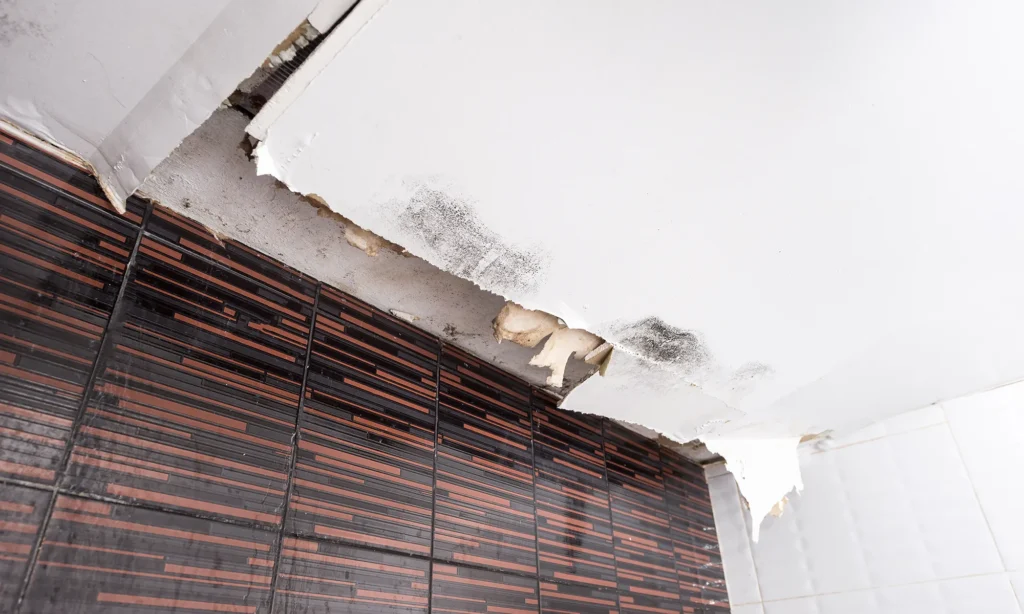
- Case Scenario – Ceiling Stains: If you see a water stain on the ceiling, check the edges. Hard and cracked edges mean it’s old damage. Soft and spreading edges mean it’s new.
- Case Scenario – Wall Discoloration: Walls with peeling paint or wallpaper might hide water damage. Check the peeling areas. Wet paint means new damage, while dry paint means it’s older.
By using these methods, you can tell if water damage is new or old. This helps you fix it quickly and properly. Always do a detailed check after your first assessment to know the full extent of the damage. Then, plan your fix based on what you find.
Conclusion
This article has covered how to assess water damage, focusing on the difference between old and new damage. It’s important for homeowners to know the signs. These include changes in color, texture, and the presence of mold or mildew.
These signs show how old and severe the damage is. Knowing this helps make the right choices for fixing the damage quickly.
Acting fast when you find water damage is key. Waiting too long can make problems worse. It can also cost more to fix and make your home unhealthy because of mold.
Whether it’s new or old damage, acting quickly can save you money and time. It also helps prevent big problems with your property.
Homeowners should check their homes often and get help from experts if needed. Licensed contractors or certified home inspectors can help. They make sure any damage is found and fixed right.
By keeping up with maintenance and getting help when needed, homeowners can keep their homes safe from water damage.
Recover with Assurance — Northwest Restoration of Washington
Whether it’s water, fire, mold, or storm damage, Northwest Restoration delivers fast, professional cleanup and restoration services you can trust. Available 24/7—contact us today!