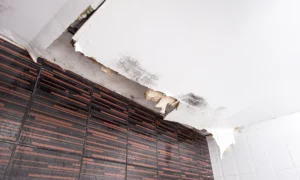




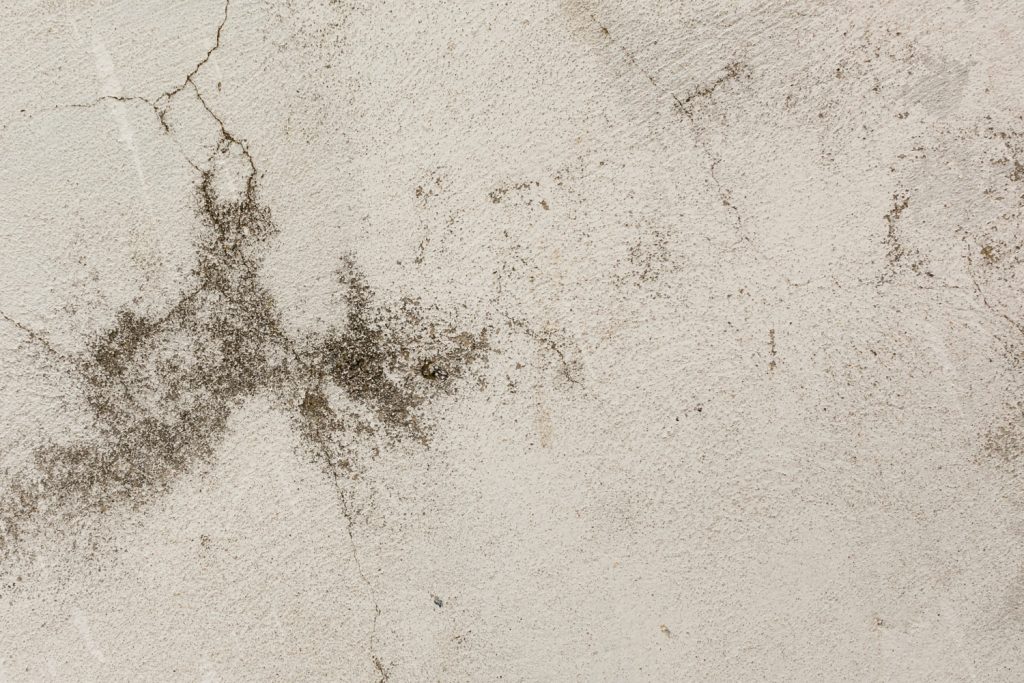
Mold can start growing quickly after a flood, often in just 24 to 48 hours. This is a big worry for homeowners because the first signs of mold can be easy to miss. These signs might include musty smells or small spots.
The time it takes for mold to grow depends on several things. These include how much moisture there is, the temperature, and if there’s organic material around. It’s very important to deal with mold after a flood to avoid damage and keep people healthy. Knowing how long mold takes to appear after a flood helps homeowners act fast to stop it from spreading too far.
Key Takeaways
- Mold can start developing within 24 to 48 hours after a flood.
- Initial signs of mold may not be visible immediately.
- Moisture levels and temperature significantly influence mold growth.
- Timely intervention is critical to manage mold growth post-flood.
- Understanding the flood mold growth period helps in taking preventive measures.
Mold Growth Timeline After a Flood
Mold grows after a flood in a predictable way, based on moisture and temperature. Knowing when mold starts to grow can help prevent it.
Initial Activation (0-24 Hours)
Right after a flood, mold spores start to grow when they get wet. It’s important to dry things quickly to stop mold from spreading. Quick action can prevent a lot of damage.
Early Germination (24-48 Hours)
By the second day, mold spores start to grow into tiny structures. It’s important to keep controlling growth during this time. This is when mold colonies start to form.
Visible Colonies (3-21 Days)
After three weeks, you can see mold colonies, depending on the environment. This is when damage and mold growth are harder to manage. It’s critical to act fast to prevent long-term damage and health issues.
Factors Affecting Mold Development After Flooding
Knowing what affects mold growth after a flood is key. This knowledge helps us prevent mold. Several important factors influence how fast mold can grow:
Moisture Levels
Moisture is the main factor for mold growth. High humidity and constant wetness are perfect for mold spores. Drying affected areas quickly and well can greatly reduce mold risk.
Temperature
Most mold thrives in temperatures between 60°F and 80°F. This range is common in homes. Keeping temperatures and humidity low helps prevent mold after a flood.
Organic Material
Materials like drywall, wood, and carpet are full of nutrients for mold. After a flood, it’s vital to check and treat these materials. This prevents mold from growing.
Time
The longer an area stays damp, the more likely mold will grow. Quick action is critical. Time is of the essence to dry and clean affected areas fast.
Conclusion
Knowing how mold grows after a flood is key to keeping your home safe. It’s important to act fast, within the first 24 to 48 hours. Remove standing water and dry areas well to stop mold.
Keeping moisture and humidity under control is also critical. Regular checks and maintenance can help fight mold. Make sure to dry out wood and insulation to protect your home.
Being alert and ready can stop mold problems after a flood. This keeps your home strong and your family healthy. By following these steps, you can keep your home mold-free for a long time.
Recover with Assurance — Northwest Restoration of Washington
Whether it’s water, fire, mold, or storm damage, Northwest Restoration delivers fast, professional cleanup and restoration services you can trust. Available 24/7—contact us today!