

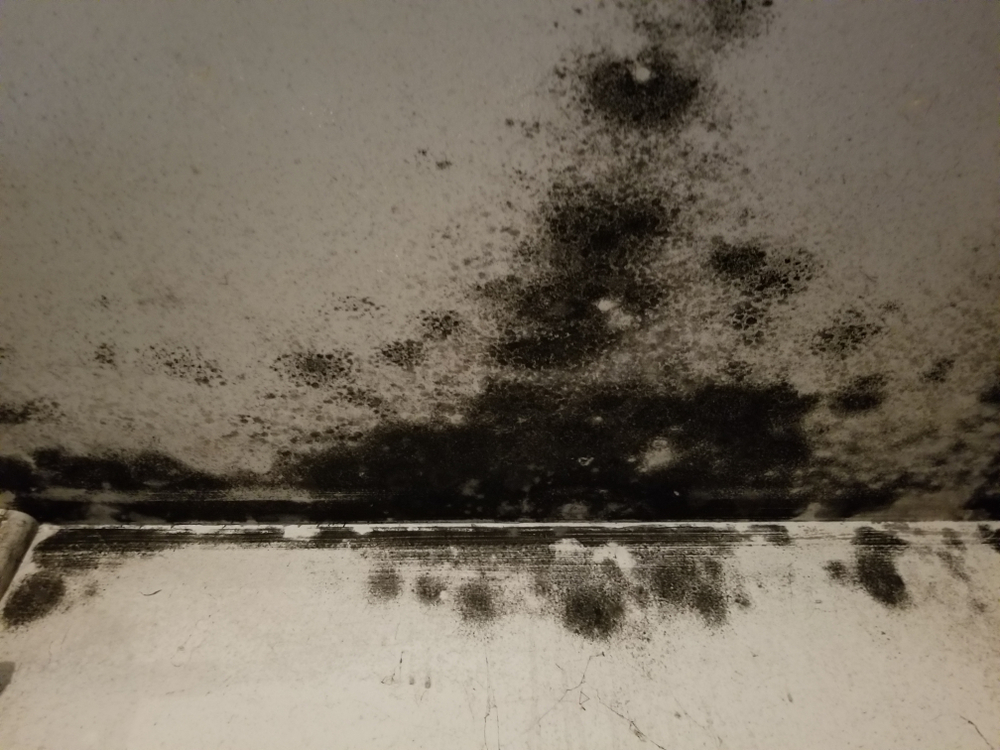
Mold can return after heavy rain when moisture enters a property again, previously affected materials remain damp, or the original water problem was never fully resolved. Even after visible mold has been cleaned, recurring leaks, trapped moisture, and elevated indoor humidity can create conditions that support new growth. Understanding what makes mold return after heavy rain starts with identifying where the water is coming from and why the affected area continues to retain moisture.
At Northwest Restoration, we provide professional mold remediation and water damage restoration services in Marysville, WA. We help homeowners and businesses evaluate affected areas, address existing mold growth, and manage moisture-related property damage. Our approach focuses on understanding the extent of the problem rather than treating visible discoloration as the only concern.
Why Does Mold Return After Heavy Rain?
Recurring mold growth usually indicates that moisture conditions continue to support its development. Mold spores are naturally present in indoor and outdoor environments, but they require sufficient moisture to grow on suitable materials.
Heavy rainfall may reveal an existing weakness in a building or introduce water into an area that previously appeared dry.
Rainwater Enters Through Unresolved Leaks
Roof leaks, deteriorated window seals, damaged exterior joints, and other openings can allow rainwater to enter walls, ceilings, or surrounding building materials. A minor leak may remain unnoticed during lighter rainfall but become more apparent during prolonged storms.
If the source of water intrusion remains unresolved, mold may reappear whenever the affected materials become damp again.
Building Materials Never Fully Dried
Drywall, insulation, wood, and other porous materials can absorb and retain moisture after water intrusion. Although an exposed surface may feel dry, surrounding or concealed materials may still contain moisture.
Cleaning the visible surface does not necessarily address damp materials underneath. When those conditions continue, mold growth may develop again.
Indoor Humidity and Condensation Remain High
Rain does not always enter a property through an obvious leak. Indoor humidity, poor ventilation, and condensation on cooler surfaces can also contribute to recurring moisture problems.
Areas with limited airflow, including enclosed storage spaces, bathrooms, and some crawlspaces, may be particularly susceptible when damp conditions persist. However, humidity alone does not confirm that mold is present.
Previous Cleaning Did Not Address the Moisture Source
Surface cleaning can remove visible growth from some materials, but it does not correct leaking building components or eliminate moisture trapped inside affected areas.
If a surface is repainted or cleaned before the underlying moisture problem is resolved, the conditions that supported the original mold growth may remain.
Warning Signs of Mold Returning After Rain
Recurring mold problems do not always begin with an obvious patch of discoloration. Property owners may notice changes in building materials or indoor conditions before visible growth becomes apparent.
Common warning signs include:
- Musty odors that become more noticeable following rainfall
- Recurring spots or discoloration around ceilings and windows
- Peeling paint, bubbling finishes, or damp drywall
- Water stains that expand after prolonged rain
- Softened, swollen, or warped building materials
- Persistent dampness around previously affected areas
These symptoms do not automatically confirm mold growth. Water staining may remain after an old leak, while musty odors can have several possible causes.
However, when the same symptoms repeatedly appear after rain, further moisture evaluation may be appropriate.
What Should You Do When Mold Returns After Heavy Rain?
The first priority is determining whether water is still entering the property. Cleaning or covering the affected surface before identifying the moisture source may allow the problem to continue.
We recommend approaching recurring moisture concerns in a practical sequence:
- Identify the affected area. Observe where dampness, stains, odors, or visible growth appear, without disturbing potentially contaminated materials.
- Consider recent rainfall patterns. Determine whether the problem becomes more noticeable during or shortly after wet weather.
- Arrange appropriate leak repairs. Qualified professionals should evaluate suspected roofing, plumbing, exterior drainage, or building-envelope problems.
- Avoid disturbing extensive mold growth. Pulling apart affected materials or attempting aggressive cleaning can spread particles into surrounding areas.
- Request professional evaluation when necessary. Recurring growth, concealed moisture, or widespread water damage may require a more comprehensive assessment.
Safety is particularly important when water reaches electrical outlets, wiring, or appliances. Avoid entering standing water where electrical hazards may exist, and seek assistance from a qualified professional.
Some people may also be sensitive to damp or moldy indoor environments. Individual health concerns should be discussed with a qualified healthcare professional.
How Professional Mold Remediation Addresses Recurring Problems
Professional mold remediation involves more than removing visible discoloration. The appropriate work depends on the extent of growth, the condition of affected materials, and whether moisture continues to enter the property.
At Northwest Restoration, our mold remediation services in Marysville begin with an assessment of the affected areas. We develop a remediation plan based on the conditions found and use containment when appropriate to help limit the movement of mold-related particles during cleanup.
Depending on the damage, remediation may involve removing affected materials that cannot be adequately cleaned, treating impacted surfaces, and addressing related property damage.
We also provide water damage restoration in Marysville, including water extraction, drying, and dehumidification. These services may be relevant when rainwater intrusion has affected flooring, walls, insulation, or other building materials.
However, remediation alone cannot guarantee that mold will never return. The underlying water intrusion or moisture problem must also be corrected to reduce the likelihood of future growth.
How Can Marysville Property Owners Reduce Recurring Mold Problems?
Marysville properties may experience moisture concerns during periods of heavy or prolonged rainfall. The actual risk depends on building conditions, drainage, ventilation, maintenance, and whether water can enter or accumulate inside the structure.
Several preventive measures can help reduce recurring moisture problems:
- Maintain exterior drainage. Arrange regular gutter and downspout maintenance, and investigate water collecting near the foundation.
- Address building-envelope leaks. Have suspected roof, window, siding, or flashing problems evaluated by qualified professionals.
- Improve ventilation where appropriate. Use functioning bathroom and kitchen exhaust systems to manage indoor moisture.
- Monitor previously damaged areas. Check for returning stains, odors, or changes after significant rainfall.
- Complete drying before cosmetic repairs. Avoid painting over damp surfaces or concealing materials that may still contain moisture.
These measures can reduce conditions that encourage mold growth, but they cannot make a property permanently mold-proof.
For properties with repeated water intrusion, understanding the cause is often more valuable than repeatedly cleaning the same affected surface.
Frequently Asked Questions About Mold Returning After Rain
1. Does mold return every time it rains?
No. Rainfall does not automatically cause mold growth. Mold is more likely to return when water enters the building, existing materials remain damp, or indoor moisture conditions continue to support growth. Properties with effective moisture control may not experience these problems.
2. Can mold come back after professional removal?
Yes. Mold may develop again if a new leak occurs or the original moisture source remains unresolved. Professional remediation addresses existing contamination, but preventing recurring growth also requires ongoing moisture control and appropriate property maintenance.
3. Can mold grow behind walls without visible signs?
Yes. Moisture can become trapped behind drywall, insulation, or other finished surfaces. Persistent dampness, musty odors, and changes in building materials may warrant further investigation, but they do not independently confirm hidden mold growth.
4. Should I paint over mold stains after heavy rain?
Painting over an affected surface without addressing moisture or existing mold is not a reliable solution. The area should be evaluated, underlying moisture problems corrected, and affected materials appropriately cleaned or remediated before cosmetic repairs are completed.
5. When should I consider professional mold remediation?
Professional evaluation may be appropriate when mold repeatedly returns, affects a substantial area, develops after significant water damage, or appears to involve concealed building materials. The appropriate remediation scope depends on the conditions identified during the assessment.
Address Recurring Mold With Northwest Restoration in Marysville
If you are trying to understand what makes mold return after heavy rain, begin by investigating the moisture source rather than repeatedly treating the visible symptoms. Recurring growth may indicate that rainwater intrusion, retained moisture, or affected building materials require further attention.
At Northwest Restoration, we provide professional mold remediation and water damage restoration services for homes and businesses in Marysville, Washington. Our team evaluates affected areas and develops an appropriate remediation plan based on the property’s condition.
Call Northwest Restoration at (206) 707-4960 to discuss recurring mold problems and request professional restoration assistance for your Marysville property.